
Does Composite Decking Get Hot in the Sun?
Having a deck can be great for entertaining or relaxing in the summer months. Composite decking has a lot of
Products in Stock
Lowest Prices
Express Delivery
10-Year Warranty
Bank Holiday Sale. Up To 15% Off.
If you want to keep your outdoor areas looking shiny and new all through the year, you might be wondering how to clean metal railing elements safely and effectively. Metal rails can be a stylish and attractive addition to your garden or decking, as well as an essential safety feature if steps or raised decks are involved. They can be tricky to keep clean though, especially when you take into account environmental factors such as rain, mud and scratchy dust.
A stainless steel balustrade is a good choice in terms of strength and appearance, but wrought iron and aluminium railings are also common. In this step-by-step guide, we’ll take you through how to clean different types of metal railings and keep them in tip-top condition.
Stainless steel is a great choice for garden rails and balustrades as it is extremely strong and durable, resistant to rust and corrosion, and has a beautiful sleek finish. It can develop rust spots if not maintained though, and, despite the name, it is not entirely stain-proof! It is easy to maintain compared to alternatives such as wooden or wrought iron railings though.
Here’s how to clean stainless steel railing…
Stainless steel has a ‘grain’ that is introduced during the brushing part of the manufacturing process. If you look closely, you should see faint lines going in the same direction and may even be able to feel the grain with your fingertips. You should always clean in the direction of the grain to avoid scratching across the surface.
Gently dust the dry railing first to get rid of any loose debris. Then, simply use warm, soapy water or a vinegar and water mix with a soft cloth or brush, moving along the grain.
Dry the railing immediately after cleaning to avoid leaving water spots and minimise the risk of rust. Use a soft, dry cloth for this process.
One of the benefits of wrought iron is that it can be hammered into complex shapes during the heating and manufacturing process, allowing it to be made into a wide range of decorative designs. It can also be painted to match different themes or colour schemes. It is tough and durable, but can be prone to rust and corrosion if not kept clean and looked after.
Here’s how to remove rust from metal railings and keep them looking clean…
Wrought iron railings are generally painted in order to improve their appearance and help prevent corrosion. The first thing you need to do is assess whether the problem is simply flaking paint, surface rust, or more extensive deep-pitting rust. Flaking paint will reveal a clean, smooth surface beneath, while surface rust will usually show as a flaky orange-brown layer on the metal itself. Deep-pitting rust will feel rougher and may conceal holes or craters in the metal.
Use a wire brush or sandpaper to clear the surface rust or paint chips. Be firm and thorough, but don’t use too much pressure as you could damage the metal.
Wipe it down with warm, soapy water and then dry thoroughly. If there is rust damage, you can use a product such as a chemical rust neutraliser or rust converter, which will provide a smooth and even surface. Repaint with a zinc-rich primer and a paint recommended for use on outdoor metal surfaces.

If you’re looking for the best products for cleaning railings, you might be surprised to find that some of the most effective things you can use are regular household items you might already have in your home.
A solution of one part white vinegar to two parts water, for example, is great for cleaning both stainless steel and aluminium railings.
Warm water with a mild detergent such as regular washing-up liquid is also effective for stainless steel and aluminium, while sugar soap in hot water is good for cutting through grease and grime on wrought iron railings.
If you have particularly stubborn stains or want dedicated products, look for commercial cleaners that are non-abrasive and suitable for the type of railing you have. Stainless steel can be scratched and scratches can be very difficult to get rid of. Metal polish products can be good for getting rid of fingerprints and polishing stainless steel to a high shine.
You can also find gels and solutions such as oxalic acid-based cleaners specifically to clean and remove surface rust.
You can find a wide range of protective coatings that you can apply to a stainless steel balustrade to prevent rust and damage. These will generally form an extra protective layer, but you should ensure that any product is suitable for the railings you have. You can also use common wax products such as car wax, paste wax or specialised metal waxes.
You can paint stainless steel, but you will need a suitable primer and paint because the surface is non-porous. You will also lose the distinctive stainless steel look and finish.
If your steel or wrought iron railing has deeper rust, you can also use chemical rust neutralisers and rust converters to smooth out the surface.
Wire brushes and sandpaper can be used to get rid of stubborn dirt and flaking paint on wrought iron railings, but you should avoid anything abrasive on stainless steel.
Soft cloths including microfibre cloths are more suitable for stainless steel surfaces. Pressure washers can be used to remove stubborn or widespread dirt, but they should only be used at lower pressures and with a wide nozzle setting on stainless steel railings.
Metal can be a good choice for your balustrades and railings, but it does need a certain amount of upkeep and cleaning to keep it looking at its best and free from rust and corrosion. Another fantastic option you might not have considered is composite balustrade and railings. Our composite material is extremely durable and far more resistant to water, rot and warping than traditional timber alternatives. Composite balustrade railings do not require painting or treating and are easy to keep clean with a simple wipe-down.
Whether you’re looking for sleek stainless steel and glass or attractive composite balustrade, take a look at our complete range for inspiration.
You can use WD-40 to help free up moving parts such as gate hinges. It can also repel moisture and loosen up rust for removal. It is not generally suitable for use as a long-term coating though and can leave a sticky residue that may attract and collect more dirt.
In general, you should be looking to clean your stainless steel railings every three to six months or when a build-up of dirt is noticeable. This can vary though depending on the weather, your proximity to the coast, main roads, and any other environmental factors that might damage or dirty the balustrade.
Stainless steel is resistant to corrosion with a protective coating that is ‘built in’ during the manufacturing process. However, it can start to rust over time, especially if it is not regularly cleaned, is physically damaged, or becomes exposed to airborne pollutants, sea air, moisture and contaminants, including iron particles from nearby construction sites. 316-grade stainless steel has even better anti-corrosion properties but should still be cleaned regularly.
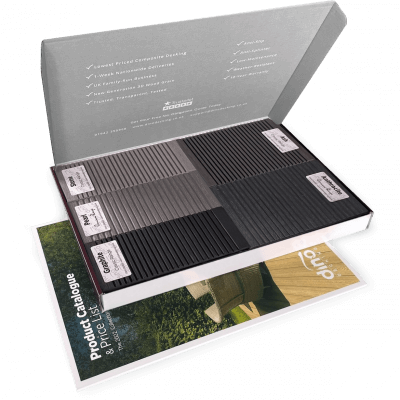
Our sample pack contains a sample piece of each colour currently available. Order your free sample pack today to compare the colours and get a true feeling of the Dino Decking range!
Having a deck can be great for entertaining or relaxing in the summer months. Composite decking has a lot of
If you are looking to install any type of cladding, including composite cladding, it is important to think about how