
How to Clean Metal Railings: The Step-by-Step Guide
If you want to keep your outdoor areas looking shiny and new all through the year, you might be wondering
Products in Stock
Lowest Prices
Express Delivery
10-Year Warranty
Bank Holiday Sale. Up To 15% Off.
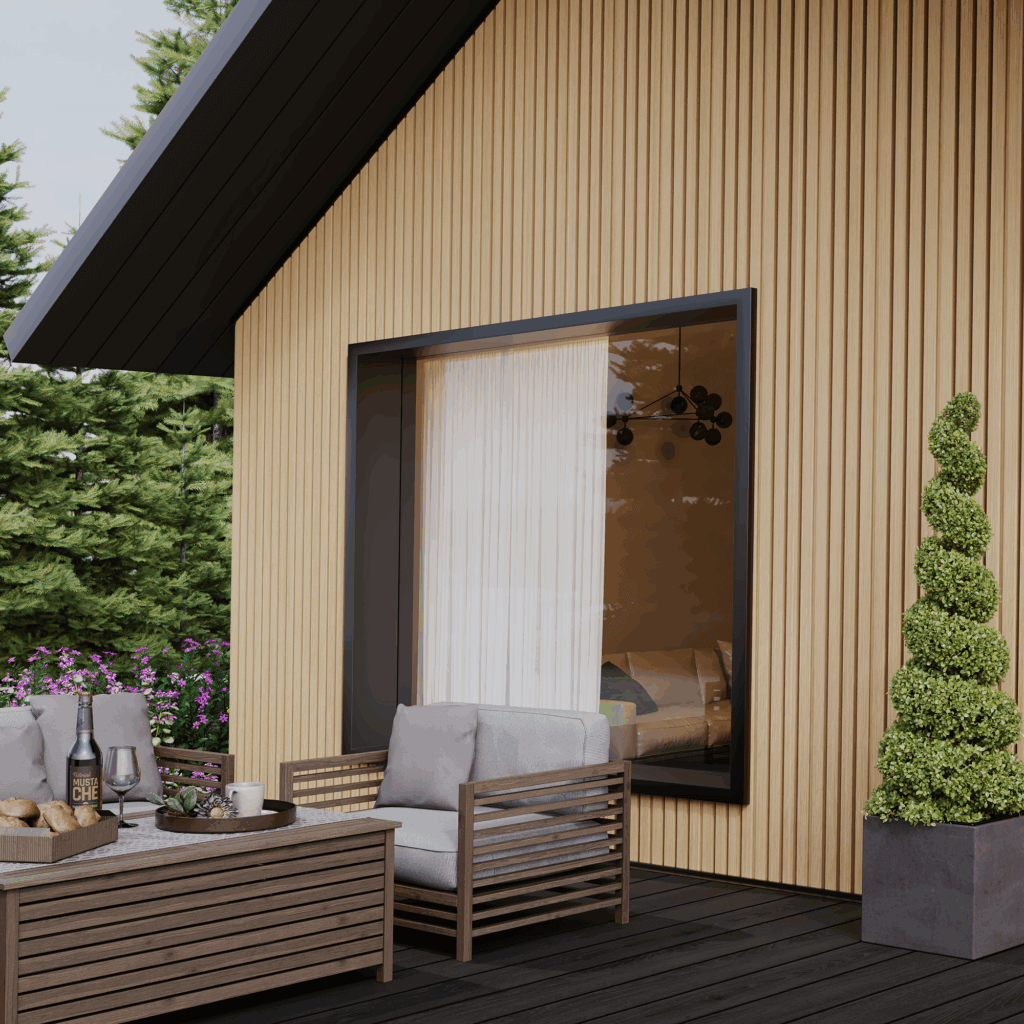
If you’re considering installing cladding on your home or in the garden, you’ve probably asked the question, ‘Do you need planning permission for cladding?’ It’s certainly very important to make sure that you understand the cladding regulations UK authorities impose. Composite cladding, in particular, has a number of benefits. It looks fantastic and is durable and weather-resistant, adding a protective shell to your property that is easy to maintain.
If you fail to get proper planning permission where it is needed, however, you could be told to remove it, which would be a costly and time-consuming process. Below, we will go through the rules and regulations of planning permission that apply to cladding.
Planning permission and building regulations are two different things that can both have an impact on the work you want to do on your property.
Planning permission is the formal permission you may need to seek from a local authority to put up or alter buildings and other large structures on your property. The planning process is intended to guide the way that our towns, cities and countryside areas develop and can include a number of considerations, including how land and property is used, environmental impact, and whether it fits into the character of its surroundings.
Building regulations are standards for the design and construction of buildings to ensure that they are safe and suitable for the purposes they are used for. Building regulations can also cover areas such as energy efficiency and accessibility.
Planning permission is administered by your local authority. Building regulations are administered by the local authority via a local governing body and national regulatory body the Building Safety Regulator (BSR).
Planning permission isn’t generally needed for cladding because it is classed as a small home improvement under the Permitted Development Rights. This means that small changes can be made, but the cladding must be of a similar appearance to the existing home or outbuilding.
This isn’t generally a major issue, as a lot of cladding is manufactured to mimic a variety of styles.
So, what is the answer to the question, ‘Do I need planning permission for cladding?’ The short answer is that in most cases, you probably will not, but there are some exceptions where you might.
In general, you will need to apply for planning permission for cladding if:
Outside these areas, the rules state that cladding may be installed without having to first apply for planning permission, provided that the materials are of a similar appearance to those used in the construction of the house.
Permitted Development Rights
Permitted Development Rights give houseowners the right to make small home improvements without having to get planning permission first. However, these rights generally apply only to houses and do not apply to flats or maisonettes.
It’s also worth bearing in mind that some local authorities may have withdrawn the right for certain improvements under an Article 4 direction. These generally only occur in cases listed above, such as houses in an officially designated Area of Outstanding Natural Beauty, but it is always advisable to check before going ahead.
Most people will not need to seek planning permission for cladding, but if you do, the process is relatively straightforward. These days, it can be done by filling out a form online.
You will need to:
It is vital to get proper planning permission if it is needed, as without it, the cladding might have to be removed.
You can visit the Government website to find your local council or use the central Planning Portal.
The Planning Portal also has plenty of detailed information on when you need to seek planning permission and how to apply for it.
The type of cladding used is the most important issue when it comes to building regulations.
Following the tragedy of the Grenfell Tower fire, new rules were introduced on external cladding. Buildings over 18 metres in height need special permissions, but this will not affect the average homeowner.
Buildings under 18 metres cannot use cladding that can easily catch fire. It’s also important to ensure that the cladding is properly installed. Composite materials are fire-resistant, making them a safer option for external cladding.
Building regulations must be followed when new alterations or structural work are carried out on your property. Composite cladding should meet all current fire safety standards, and you can also ensure that you get building regulation approval by:
To sum up, most people will not need planning permission for external cladding, but there are certain situations where you might. It is always best to check with your local authority or an expert if you are uncertain.
If you are looking for modern exterior cladding ideas, composite cladding provides a great option. It is durable, weather-resistant and easy to maintain, as well as being easy to install and affordable compared to other types of cladding materials. Contact us today for more information.
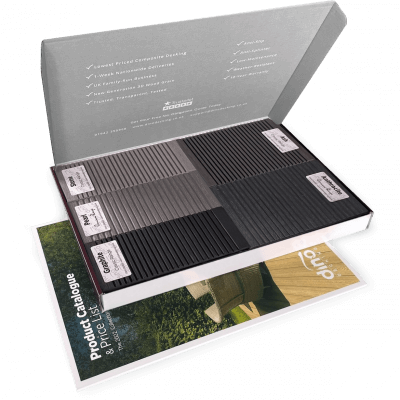
Our sample pack contains a sample piece of each colour currently available. Order your free sample pack today to compare the colours and get a true feeling of the Dino Decking range!
If you want to keep your outdoor areas looking shiny and new all through the year, you might be wondering
Having a deck can be great for entertaining or relaxing in the summer months. Composite decking has a lot of