
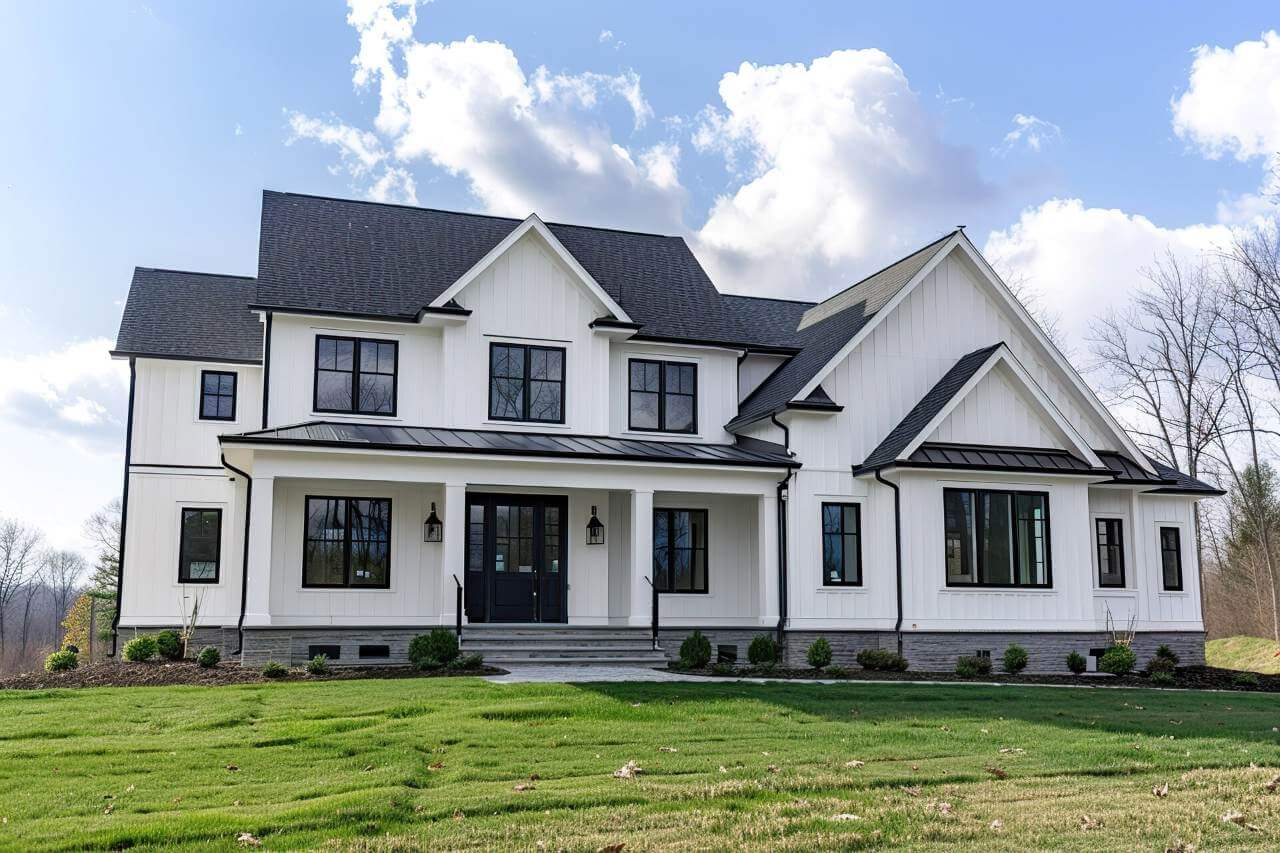
5 Porch Cladding Ideas to Upgrade Your Home
Looking for porch cladding ideas to give your front porch a makeover? If so, you’ve come to the right place!
Products in Stock
Lowest Prices
Express Delivery
10-Year Warranty
October Sale. Up To 15% Off.
Composite fencing is a relatively new type of fencing material that has been gaining popularity with UK homeowners in recent years due to its numerous advantages over traditional wood fencing. Made from a blend of recycled wood and plastic, it delivers the natural look of timber with enhanced durability and lower maintenance. But like any outdoor solution, it has both advantages and limitations.
Whether you’re considering a new fence installation or looking to replace an existing one, in this guide, we’ll break down the key pros and cons of composite fencing, helping you make a well-informed decision for your garden or outdoor space.
| Composite Fencing | Wooden Fencing | |
|---|---|---|
| Maintenance | Low | High |
| Durability | High | Low |
| Eco Friendly | Yes (Recycled) | No |
| Colour Variety | Wide Range | No (unless painted) |
| Lifespan | 10-25 years | 5-10 years |
| Cost | Lower (overall) | Higher (upkeep) |
Want more depth on this? Read our detailed guide on composite fencing vs traditional wood fencing.

One of the biggest advantages of composite fencing is that it requires very little maintenance. Unlike wood fencing, which needs to be painted or stained regularly to prevent rotting and warping, composite fencing is designed to resist the elements and stay looking good for years to come.
Composite fencing is designed to be incredibly durable. It is resistant to rot, mould, and insects, and it can withstand extreme weather conditions come rain or shine. This makes it an ideal choice when experiencing harsh weather, such as high winds or heavy rain from season to season.
It comes in a variety of styles and colours, from white to mocha brown, which makes it easy to find a design that complements your home’s aesthetic and is less likely to fade over time. Whether you prefer the look of traditional wood fencing or a more modern design, there is a fencing option that will suit your needs.
Additionally, composite fencing is designed to look like real wood, so you can enjoy the beauty of a natural wood fence without the maintenance.
While composite fencing may be more expensive upfront than traditional wood fencing in the short term, it is a cost-effective choice in the long run. Because it requires low maintenance, homeowners can save money on upkeep costs over the life of the fence.
Additionally, composite fencing is designed to last longer than wood fencing, which means that homeowners won’t have to replace it as often. It can last 20-30 years, making it a smart investment for homeowners.
Composite fencing is an eco-friendly choice for homeowners. It is made from a combination of recycled wood and plastic, which means that it is a sustainable alternative to traditional wood fencing. By choosing composite fencing, homeowners can reduce their environmental impact and contribute to a more sustainable future. Read more on what composite fencing is and what it’s made from.
Dino Decking offers nationwide delivery, so our fencing is available across the UK. Although it can be purchased from a variety of sources, including fencing companies, online retailers and home improvement stores, Dino Decking offers competitive prices and a 10-year guarantee on all our fencing.

In addition to the benefits of composite fencing, it’s important to also be aware of the potential challenges.
Compared to wood, composite fencing can seem expensive. However, considering the long-term savings on maintenance, composite fencing is a great solution for long-term homeowners looking to keep their garden looking fresh because they don’t have to stain, seal, sand, or paint composite materials.
Exposure to sunlight and UV rays can cause some composite materials to fade or discolour over time. To mitigate this issue, opt for composite fencing with an additional polymer coating for extra protection. Our water-resistant Dino Shield™ polymer sleeve features the thickest capped shell on the UK market, providing superior resistance against stains and mould and ensuring minimal colour fade over time.
Composite fencing can be susceptible to scratching or scuffing, especially in high-traffic areas or when exposed to abrasive materials. To minimise this risk, consider using ‘capped’ composite fencing with protective coatings, which enhance its resistance to damage, rather than ‘uncapped’ composite fencing that can be slightly porous and is more susceptible to weathering.
If you’re installing composite fencing yourself, it’s essential to do it correctly to avoid any potential problems. Keep in mind that the panels can expand and contract with temperature changes and need around 5-6 mm as an expansion gap to prevent popping out or splitting. To ensure you’re installing composite fencing correctly, follow our step-by-step guide.
However, composite fencing can also be quite versatile, being able to fit into existing concrete posts and be cut into a variety of shapes for bespoke fencing.
When choosing a composite fencing supplier, consider these key factors:
Composite fencing offers a range of benefits that make it an attractive choice for homeowners. From its low maintenance requirements and durability to its eco-friendliness and aesthetic appeal, composite fencing is a smart investment for anyone who wants a beautiful, long-lasting fence. If you’re considering installing a fence on your property, be sure to explore the benefits of composite fencing and see if it’s the right choice for you.
Dino Decking offers high-quality composite fencing designed to elevate your outdoor space. Our fencing panels are made to be strong, lightweight, and eco-friendly, ensuring durability and sustainability. Each panel consists of twelve 1.8m horizontal slats, making installation quick and easy. The composite fencing is available in six classic colours, and three premium colours to suit all tastes and preferences.
Some common problems with composite fencing include its higher initial cost and its fading of colour over time. However, its initial high cost can be mitigated over time by its low maintenance, leading to overall money saved as it does not need painting, sealing, sanding, or staining.
Its fading of colour can also be mitigated by a polymer sleeve that protects the board from UV rays and extends its vibrant colour for longer.
Yes, composite fencing is worth the initial cost because it is low maintenance and durable, lasting longer than traditional timber whilst saving you time and money on repairs and upkeep.
The lifespan of composite fencing is usually 20-30 years, with fading becoming noticeable in the first 3-6 months of installation before stabilising to its final colour. Composite materials are known for their durability and longevity compared to others.
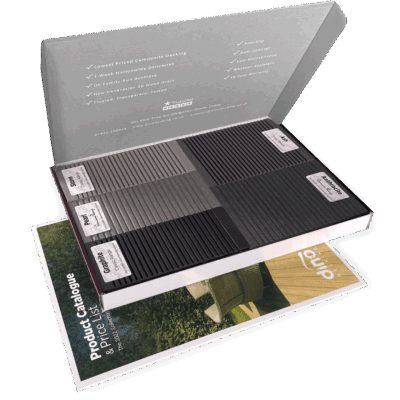
Our sample pack contains a sample piece of each colour currently available. Order your free sample pack today to compare the colours and get a true feeling of the Dino Decking range!
Looking for porch cladding ideas to give your front porch a makeover? If so, you’ve come to the right place!
So, you’ve discovered that there is a bees nest under your decking and you’re wondering what steps to take to