
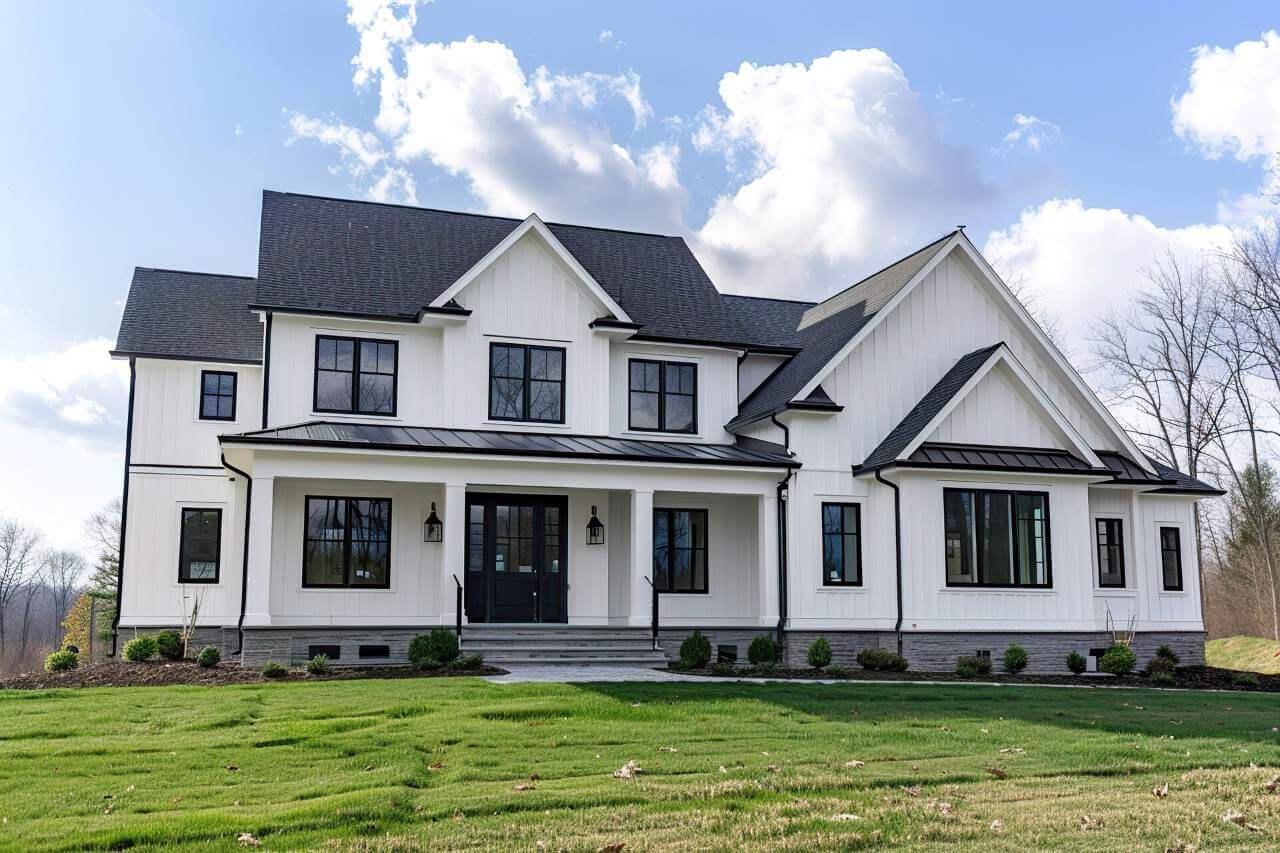
5 Porch Cladding Ideas to Upgrade Your Home
Looking for porch cladding ideas to give your front porch a makeover? If so, you’ve come to the right place!
Products in Stock
Lowest Prices
Express Delivery
10-Year Warranty
October Sale. Up To 15% Off.

Do you need planning permission for decking? If you’re considering installing new composite decking, you may well be wondering about this and any rules and regulations that might apply. It’s certainly worth looking into. If you go ahead without planning permission and it turns out that you should have got it, you risk having your decking dismantled again by your local planning authority. It can also cause problems if you sell your house further down the line, as there may be issues obtaining the necessary compliance certificates.
The answer to whether you need planning permission depends on a number of factors. In many cases, no planning permission will be required, but in others it might, depending on the decking project and your property. In this article, we will go through the different situations and explain when you might need planning permission for your decking and when you won’t.
Building regulations and planning permission for decking can both have an impact on the work you want to do on your property. It’s important to understand the difference between the two.
Planning permission refers to the formal permission you may need to seek from a local authority for the erection or alteration of buildings and other large structures, such as building decking. The planning process is intended to guide the way that our towns, cities and countryside develop and can include a number of considerations, such as how land and property are used, how it looks, whether it fits into the character of its surroundings, and any environmental impacts it might have.
Building regulations set standards for the design and construction of buildings to ensure that they are safe and suitable for whatever purposes they are to be put to (such as living in or operating a business). Building regulations can also cover areas such as energy efficiency and accessibility.
Planning permission is administered by your local authority. Building regulations are also administered by the local authority via a local governing body and national regulatory body, usually the Building Safety Regulator (BSR).
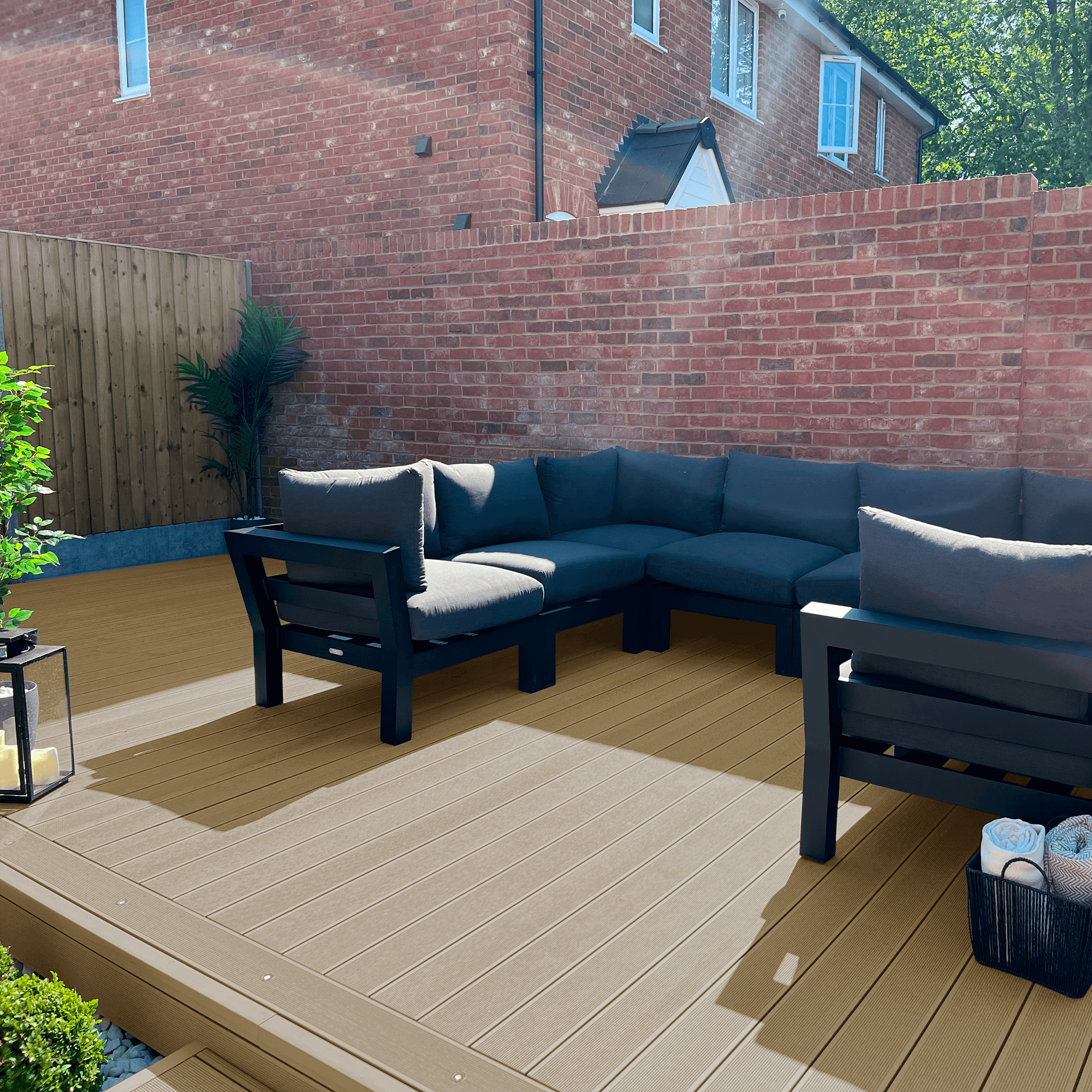
So, does decking need planning permission? The short answer is that it might.
In many cases, you will not need planning permission for decking. Decking is classed as a ‘permitted development’, which allows householders to improve and extend their homes without the need to apply for full planning permission, as long as it meets the following criteria:
This means you may need decking planning permission if you are planning to build a raised deck and it is higher than 30cm from the ground. This also applies when laying decking on sloping ground if it is above 30cm from the ground at any point.
If your decking is likely to exceed any of the above conditions or you are unsure, it is always best to seek advice from your local authority about whether or not you need planning permission.
Some other scenarios where you might require planning permission include the following:
Decking is not generally permitted in the property surrounding listed buildings, and there are planning permission limitations for decking on properties in National Parks, the Broads, Areas of Outstanding Natural Beauty, and World Heritage Sites.
The Planning Portal has a handy tool for finding your local planning authority (LPA) using your postcode or the LPA name.
It is also possible to access the LPA search tool here.
Where they are needed, planning permission applications for decking can generally be done online – often through the Planning Portal, but sometimes via the website of the local planning authority.
You will need to submit:
Remember to Inform your Neighbours
The relevant local planning authority will usually contact your immediate neighbours (meaning those who share a boundary with your property). It is not legally required for you to tell your neighbours about any planned work, but it is generally considered to be good practice and common courtesy to do so.
When it comes to raised decking planning permission, it’s always worth keeping your neighbours onside, especially as they have the right to disagree, and any valid reason for an objection could lead to your planning permission being denied. A potential objection could be if a raised deck overlooks their property and they feel that it impacts their privacy, for example.
Major alterations or structural changes to a building, such as an extension, will always need to meet building regulations. Structures that need planning permission must also meet any relevant building regulations, and this can include decking that does not meet the permitted planning criteria. A raised deck or platform of a certain height, for example, might also be required to have suitable balustrade railings for safety.
You can make sure that you meet the relevant regulations in a number of ways, such as:
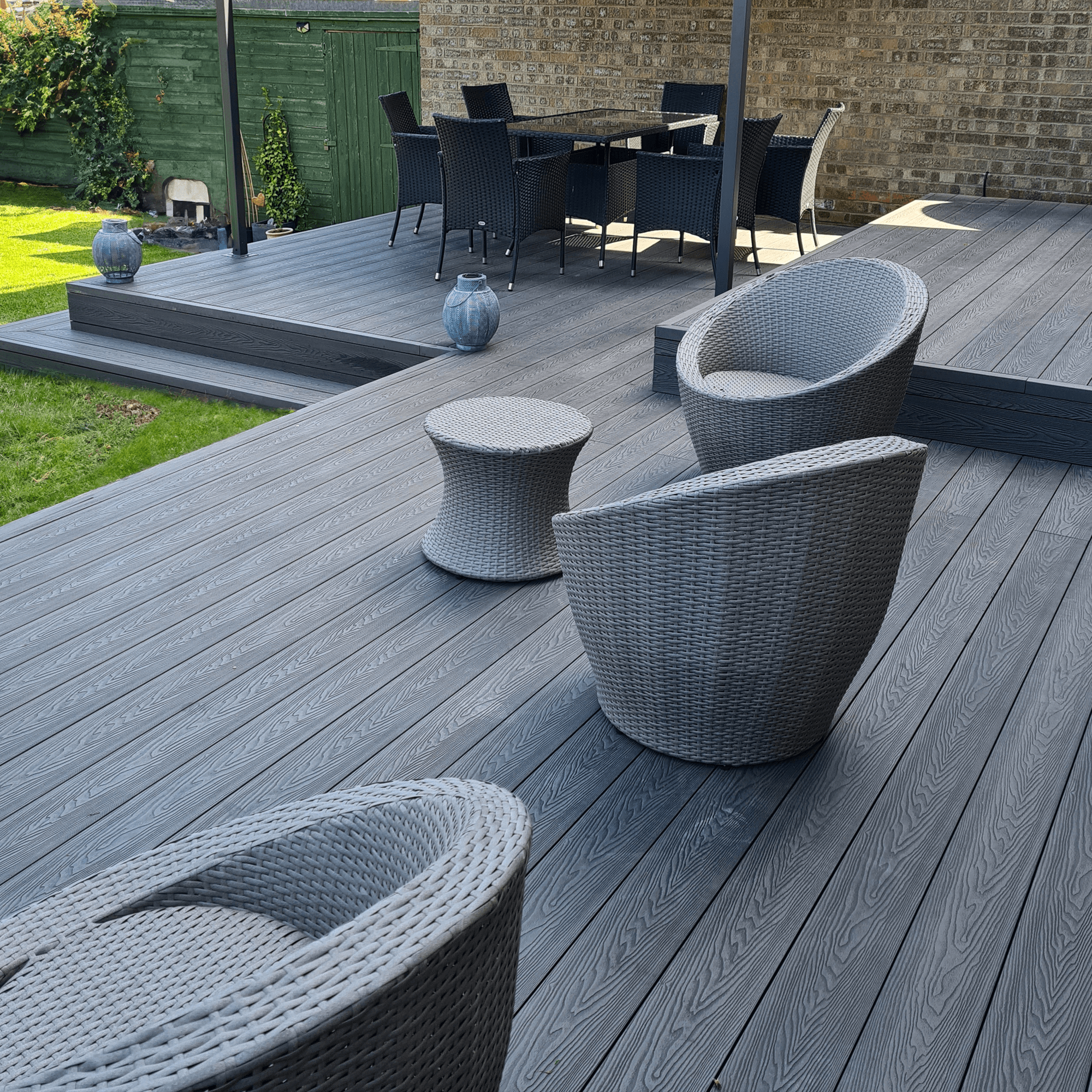
Dino Decking’s versatile and functional composite decking is available in various colours and configurations, offering the perfect solution for any outdoor space. Order your free composite decking samples or get in touch for assistance from our experienced team.
For a complete look, discover our range of composite fencing and decking balustrade railings, designed to complement your decking.
You’re unlikely to need planning permission for decking unless it is raised up to 30cm above the ground or covers more than half of your garden in combination with extensions and outbuildings.
You don’t always need planning permission to build a deck, however it must meet specific criteria regarding height, location, and size to qualify, so it’s important to check.
No, the height rule doesn’t include the balustrades and railings. The 30cm limit only applies to the floor platform of the decking itself. However, adding high privacy screens or balustrades can sometimes trigger a separate planning permission if they exceed the standard fence height regulations.
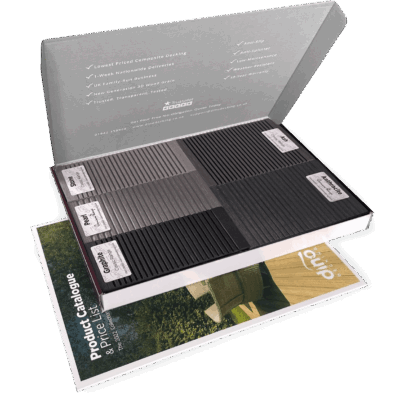
Our sample pack contains a sample piece of each colour currently available. Order your free sample pack today to compare the colours and get a true feeling of the Dino Decking range!
Looking for porch cladding ideas to give your front porch a makeover? If so, you’ve come to the right place!
So, you’ve discovered that there is a bees nest under your decking and you’re wondering what steps to take to