

5 Porch Cladding Ideas to Upgrade Your Home
Looking for porch cladding ideas to give your front porch a makeover? If so, you’ve come to the right place!
Products in Stock
Lowest Prices
Express Delivery
10-Year Warranty
October Sale. Up To 15% Off.
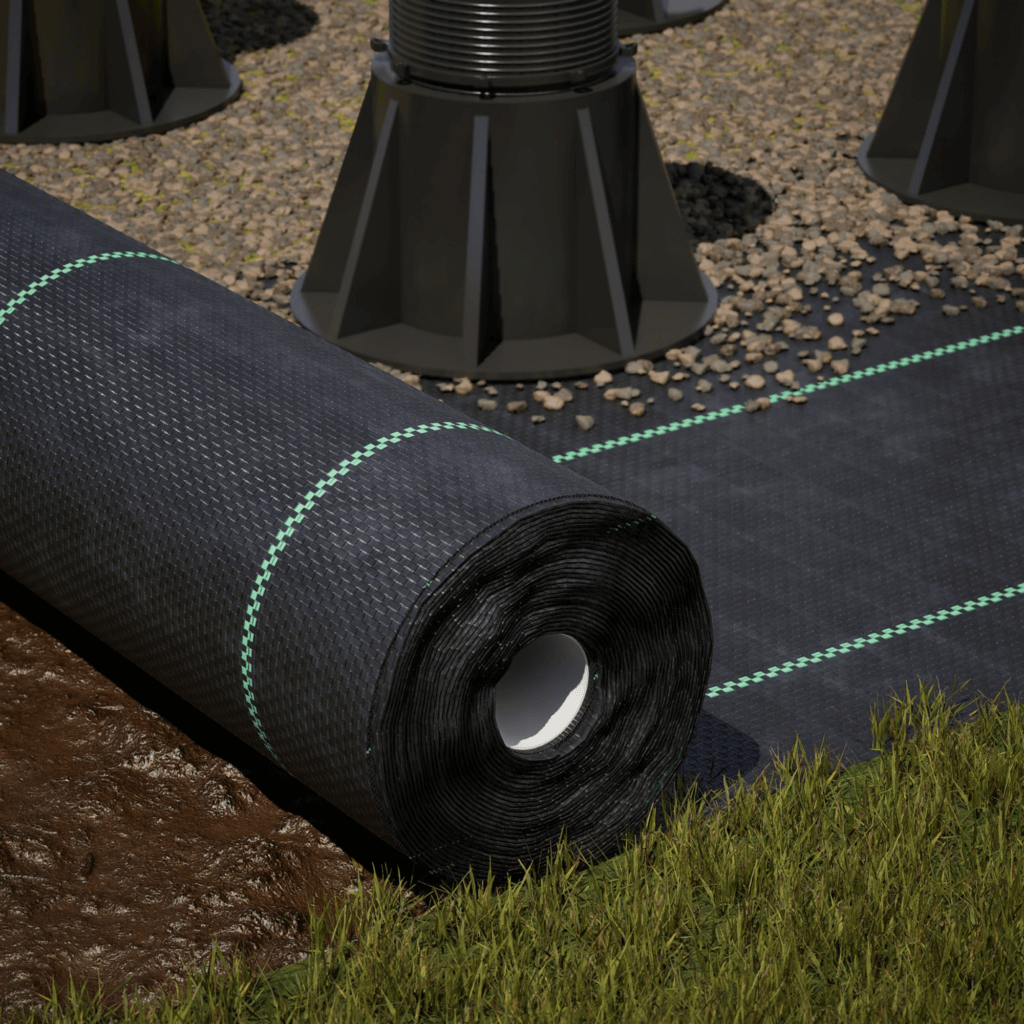
If you’re interested in sustainable gardening practices, you might have already looked into eco-friendly weed killers. There are a number of alternatives to harsh chemical weedkillers, including installing a weed membrane. This can be very effective in taming weeds, but there may be some confusion over whether this method is sustainable.
The good news is that you can certainly get an eco-friendly weed membrane that works with your garden, allowing water and essential nutrients to pass through to the soil while blocking off the weeds you don’t want. Below, we’ll take a look at the green credentials of weed membrane, and you can also check out our top sustainable garden ideas.
Weed membrane provides eco-friendly weed control compared to alternatives such as chemical agents. It forms a barrier that prevents light getting through to the weeds, while letting water and nutrients into the soil.
It should be mentioned for transparency that weed membrane may be made of woven polypropylene for durability. This is not the most sustainable material in itself, but its durability means that the weed membrane can remain effective for a long time. It can also be dug out and stored or redeployed in another area as required.
Once it is installed, a high-quality weed membrane will keep working for years with very little maintenance or manual wedding needed. Check out our other low-maintenance garden ideas for a beautiful garden without the back-breaking labour.
There are a number of things you can do to make a weed membrane installation even more sustainable:
There are a number of other alternatives you can try that are also more eco-friendly than harsh chemical agents. These include the following.
A biodegradable barrier works in a similar way to regular weed membrane, but is made of biodegradable plant or paper-based material that will slowly decompose into the soil. Like other types of weed membrane, it works by preventing light from getting through to weeds and seeds in the soil. It can be placed under a top layer of mulch or other materials, or left on the surface if you want to get rid of weeds without caring too much about the aesthetic.
The main drawback is that it is only temporary, typically lasting a year or two. If you want to continue to protect against weeds after that, you must reinstall another biodegradable weed membrane, replace it with a more durable membrane, or turn to another method.
Getting rid of weeds by hand might be the most eco-friendly weed control method, but it’s also the most time-consuming and physically demanding. It allows for precise removal of unwanted plants without the use of herbicides. You will need the right tools though, which can include hoes, weeding knives and specialist weeding tools.
It is also labour-intensive, time-consuming and physically demanding, generally involving lots of bending and kneeling. It can be easy to miss weeds and seeds or leave roots behind when removing the plants, especially for less experienced gardeners. This can lead to a perpetual cycle of weeds constantly resurfacing. There is also a risk of accidentally damaging nearby plants that you do want to keep.
Chemical herbicides or weedkiller can leach into the soil, killing other plants and beneficial microorganisms and even contributing to herbicide-resistant ‘superweeds’. Acetic acid is sometimes referred to as a ‘natural’ or eco-friendly weed killer. It can be more sustainable than some chemical weedkillers, but it does have some drawbacks.
Acetic acid is also known as vinegar, but the ‘horticultural vinegar’ used for killing weeds is stronger than household vinegar. It can harm the eyes and skin, so you should always wear suitable protective gear, including gloves and eye protection, when using it. Acetic acid is sprayed directly onto the weeds, but it can also harm other plants, so be careful of drift, especially on windy days.
Acetic acid works by killing the top growth or foliage it touches. This can make it less effective for deep-rooted or perennial weeds, leading to rapid regrowth. Larger, tougher weeds may also be more resistant.
Like acetic acid, pelargonic acid is often held up as a more sustainable or eco-friendly weed killer. It is a biodegradable herbicide derived from plant oils that works by destroying the cell walls of the weeds. This causes them to quickly dry out and lose their structure.
Like acetic acid, pelargonic acid is non-selective, meaning that plants you want to keep can still be harmed if they are caught with drifting or misplaced spray. It is also an eye irritant, so you should wear relevant protective equipment. As with acetic acid, it does not target roots and so rapid regrowth of many species of weed may occur.
If you’re looking for an eco-friendly method of weed control, weed membrane could be your ideal solution. It prevents weeds by blocking the sunlight they need, while allowing water and nutrients to pass through into the soil. Its durability makes it very long lasting, adding to its sustainability as it can remain effective season after season.
Dino Decking’s weed membrane offers a sustainable, versatile, durable and affordable solution to weeds without the time and effort required for manual weeding. You might also want to take a look at our full range of products for an outdoor space you’ll really want to spend time in.
Yes, Dino Decking’s weed membrane is made of woven polypropylene. This makes it very durable and long lasting. Biodegradable weed membranes are available, but they decompose, generally after a year or two, meaning that they have to be constantly replaced if you wish to continue to use them to keep weeds under control.
No, weed membrane does not kill soil. The membrane is constructed so that it blocks out the light that weeds need to grow, but allows water and essential nutrients to pass through. This permeable design helps keep the soil underneath healthy.
Because of the soil and roots it catches, weed membrane is hard to recycle. Old weed membrane is generally not recyclable via household bins, but it can usually be disposed of at specialised local recycling facilities. As long as it is in good condition, it can also be reused in the garden, adding to its sustainability. Its durability means that it can easily be rolled up and stored until you need to use it.
A combination of manual weeding, weed membrane and organic mulch is probably the most effective and sustainable combination. Manual weeding can help prepare the area and get rid of existing weed foliage without the use of herbicides that can harm the soil, other plants and wildlife.
A weed membrane can then prevent weeds from returning for years to come, allowing you to make spaces for growing plants that you actually want. Layering with organic mulch such as compost, bark chippings, leaves or paper can help suppress any weeds that break through, retain moisture, and improve soil structure as the mulch decomposes.
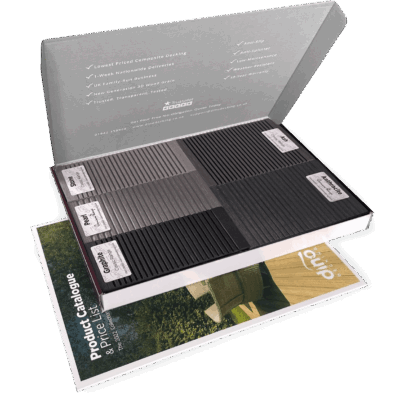
Our sample pack contains a sample piece of each colour currently available. Order your free sample pack today to compare the colours and get a true feeling of the Dino Decking range!
Looking for porch cladding ideas to give your front porch a makeover? If so, you’ve come to the right place!
So, you’ve discovered that there is a bees nest under your decking and you’re wondering what steps to take to