

5 Porch Cladding Ideas to Upgrade Your Home
Looking for porch cladding ideas to give your front porch a makeover? If so, you’ve come to the right place!
Products in Stock
Lowest Prices
Express Delivery
10-Year Warranty
October Sale. Up To 15% Off.
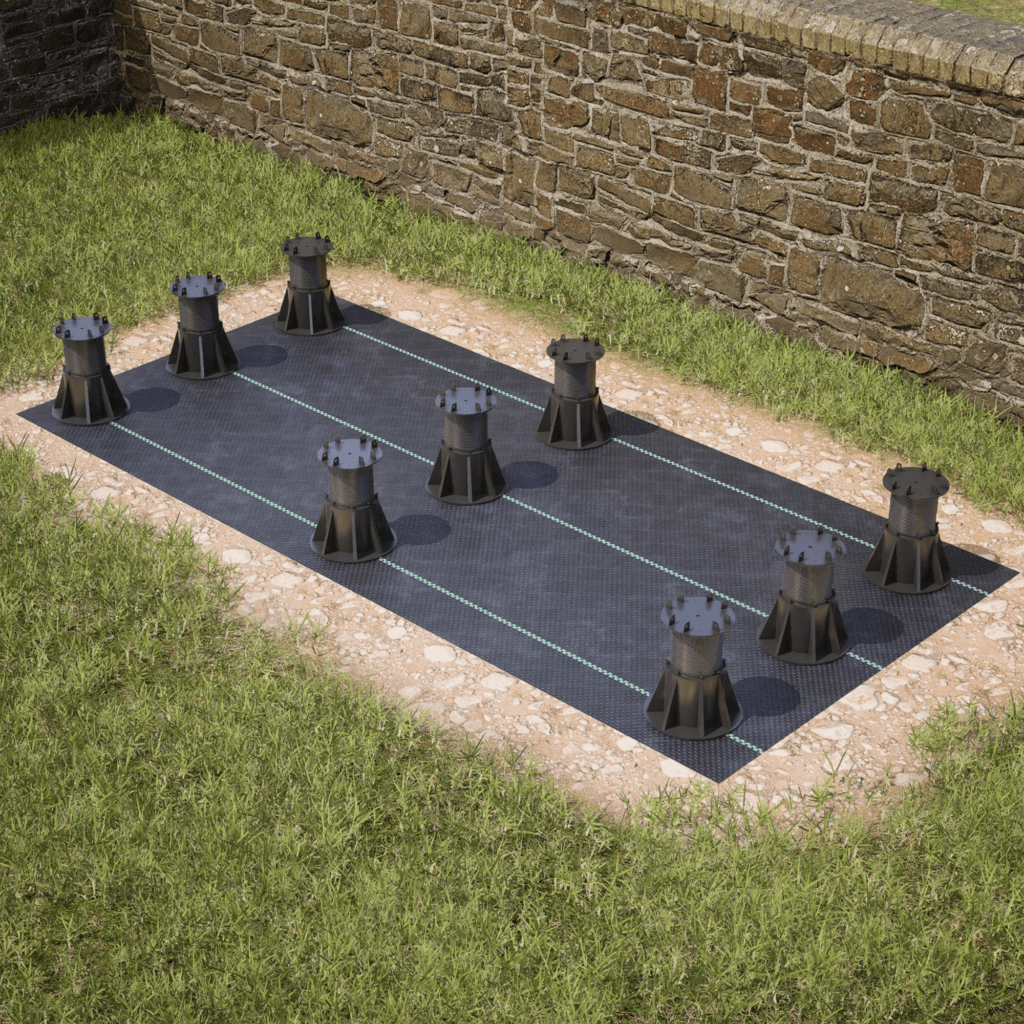
If you want a weed-free garden without the back-breaking work or resorting to potentially harmful chemical herbicides, a weed membrane might be your perfect solution. They work by blocking out sunlight that weeds and seeds need to grow, with the best weed membrane types allowing water and nutrients to pass through to keep the soil healthy. You can find out more here about how weed membrane works.
While all weed membrane works in the same basic way, there are a number of different types of weed membrane. Below, we’ll go through the different kinds in detail so that you can decide on the best one for your garden.
The four main types are woven and non-woven weed membrane, impermeable weed membranes and biodegradable weed membranes.
A woven weed membrane is made by weaving strips of material together. This gives the garden fabric a high tensile strength and resistance to tearing, fraying and puncturing. It can also help with the fabric’s permeability, allowing water to pass through the woven strips more easily.
Dino Decking’s weed membrane is woven and permeable. It is constructed from heavy-duty, UV-stabilised, 100gsm (grams per square metre) woven material, which makes it extremely durable. The high tensile strength makes it ideal for use under gravel, paths and other heavy-duty use areas.
A non-woven weed membrane is a felt-like landscape fabric made by bonding fibres together, often through heat or a technique known as needle punching. It is often made from polypropylene. Like woven garden control fabrics, it is permeable with good drainage and filtration properties. This can make it a good choice for flower beds and other areas with lighter traffic.
Permeable weed membrane is designed to allow water and vital nutrients to pass through, which is healthier for the soil beneath and also prevents pools of water from forming either on the surface or beneath a surface layer. Most weed membranes are permeable, but you can get impermeable weed barriers that are designed to completely block not only light but also water and even air.
They are not generally the best choice for most gardens as they can cause pooling of water and the drowning or suffocating of plants. It is not generally healthy for the soil, but there are some specialist cases where an impermeable membrane might be suitable. These could include using it temporarily to kill off an area of weeds, grass and other plants, or protecting against invasive species such as Japanese knotweed.
Biodegradable weed membranes work in a similar way to other permeable weed membranes, but are made of biodegradable plant or paper-based material that will decompose into the soil over time. This can make it an eco-friendly choice for getting rid of weeds in the short term, but the least effective option for longer-term weed control. Biodegradable weed membranes will typically last for around one to two years, though the lifespan can vary depending on the material and conditions. For ongoing weed control, you will have to replace the weed membrane fairly regularly, or turn to other methods.
If you are installing composite decking – or any other kind of decking for that matter – you might think that the decking boards themselves would block off the sunlight that weeds need to grow. Many weeds are highly persistent though and don’t need much to establish a foothold, while decking boards also need small gaps in between to account for natural expansion and contraction as the weather changes.
Installing a heavy-duty woven membrane can help prevent weeds from growing underneath the decking boards. It is easier if you are able to do this before or during the decking installation. Simply clear the area of debris and existing weeds and lay the decking as usual. You don’t need to worry about the look of any top layer as it will be covered by the deck, but you should still cover it with a thin layer of easy-draining aggregate to keep the fabric weighted down and in contact with the ground.
If you’re laying gravel or a patio and want a clean look without intrusive weeds, you should ideally use a heavy-duty 100gsm woven membrane. This will prevent weeds from emerging, but will also prevent sinking and the mixing of soil and stone. To install it, you should clear the area of debris and existing weeds and then roll out the fabric with an overlap at all joints. Secure the fabric with pegs before installing the gravel or patio. You can find out more about installing garden control fabric in our guide to laying weed membrane.
If you want a weed membrane that protects your flowers, a lighter non-woven membrane may be best. However, a heavy-duty woven membrane can still provide excellent weed management while allowing your flowers and wanted plants to thrive. To install a weed membrane on an existing flower bed, you need to leave gaps or cut holes for the plants. This will prevent weeds from sprouting in nearby areas while allowing your wanted plants to get all the sunlight, water and nutrients they need.
It’s always good to save money, but buying a cheap or unsuitable weed membrane may be counterproductive and more costly in the long run. A weed membrane that is not very well made, or that uses lightweight materials and construction, might not last very long before needing to be replaced. If they don’t have good permeability and drainage, they could also cause standing water and other issues that would be detrimental to plants you want to keep and the health of your soil and garden overall.
There are key features that should be looked for in a weed membrane, including:
If you want to keep weeds out of your garden or stop them taking root under your decking, a good-quality weed membrane could be your ideal solution. Dino Decking’s weed membrane is versatile, durable and affordable. It features great permeability to avoid pools of standing water and keep your soil healthy and fertile, along with tear resistance and superior longevity. You might also want to explore our full range of products for everything you need to transform your outdoor spaces.
Both can have their place, but in general, woven weed membrane is more effective for long-term weed suppression. This is because the interwoven construction is able to produce better tensile strength for tear resistance and longevity, while still providing the permeability your garden and other plants need.
With the exception of an impermeable membrane, which is only suitable for certain situations, weed membranes should always allow water to pass through. This will help prevent standing water, which can spread to other areas and harm plants you want to keep. It will also help to keep the soil under the weed membrane healthy.
It is not essential to have a weed membrane under your decking, but it can be beneficial in the long term. If weeds do establish themselves under decking after installation, they can be difficult to get rid of due to access issues. Emerging weeds can look unsightly and can even damage the decking structure over time.
A heavy-duty 100gsm woven weed membrane is the best to use under gravel due to its strength and durability.
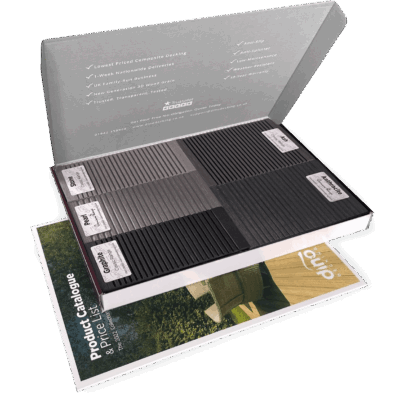
Our sample pack contains a sample piece of each colour currently available. Order your free sample pack today to compare the colours and get a true feeling of the Dino Decking range!
Looking for porch cladding ideas to give your front porch a makeover? If so, you’ve come to the right place!
So, you’ve discovered that there is a bees nest under your decking and you’re wondering what steps to take to