
How Long Does Wooden Decking Last?
Wooden decking is a very popular option for outdoor decks. Typically, people appreciate the aesthetic of wooden decking, while composite
Products in Stock
Lowest Prices
Express Delivery
10-Year Warranty
September Sale. Up To 15% Off.
Ever looked at a house and wondered what gives it that sleek, put-together look? Chances are, you’re admiring its cladding. But what exactly is cladding, and why should you care about it? Well, there are many different types of cladding, each with their own pros and cons. If you’re a homeowner (or aspiring to be one), cladding could be your secret weapon for boosting your home’s appeal, protection, and even its value. So, let’s take a look at the different types of cladding that could transform your home.
| Type of Cladding | Typical Uses | Maintenance Requirements | Aesthetic Appeal |
|---|---|---|---|
| Composite | Domestic | Low | High |
| Vinyl | Domestic | Low | Medium |
| Wood | Domestic | High | High |
| Brick | Industrial/Domestic | Medium | Medium |
| Stone | Domestic | Medium | Medium |
| Metal | Industrial | Medium | Low |
| Fiber Cement | Domestic | Medium | High |
Firstly, what actually is cladding? In simple terms, cladding is the protective or insulating layer fixed to the outside of a building. It’s like a jacket for your house, shielding it from the elements while also giving it a stylish makeover. And luckily, there are many different cladding options available…
Cladding options come in a variety of different materials from the cost-effectiveness of composite cladding to the more industrial-strength metal cladding. In truth, there are lots of different types of cladding out there and each has their own strengths and weaknesses. The perfect type of cladding for your home all depends on your budget and style preferences.
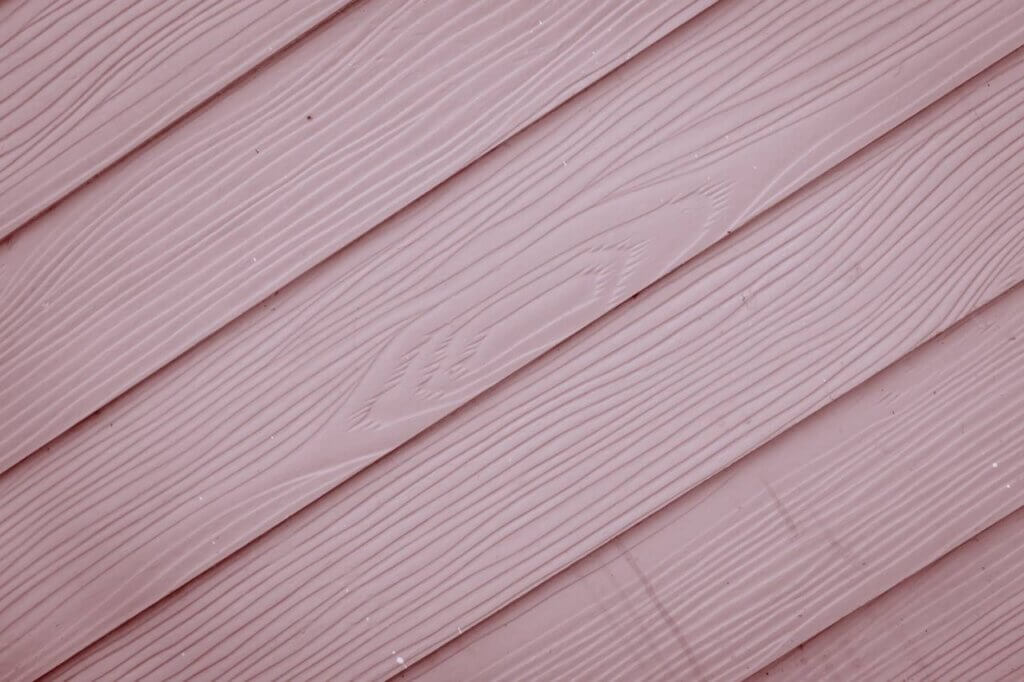
First up, we have composite cladding. If you’re choosing cladding based on weather resistance, this one takes the crown. This modern marvel combines the best features of wood and plastic to create a material that’s durable, low maintenance, and attractive. Its weather resistance means that it resists rot, doesn’t warp or split like wood, and doesn’t develop mould. Plus, composite cladding comes in a variety of colours and finishes.
This option is the best choice of cladding for environmentally conscious homeowners due to its eco-friendly manufacturing process and longevity. This is a major benefit of composite cladding, as it’s made from recycled materials. And while it might cost more upfront than some other options, its longevity (composite cladding can last 25 to 30 years) and low maintenance requirements make it a cost-effective choice in the long run.
Curious? Take a look at best selling composite cladding in the UK – we even offer free samples so you can see the cladding up-close for yourself.
Next up is one of the most popular options: vinyl cladding. This plastic-based material has been a favourite among homeowners for years, and it’s not hard to see why. It’s relatively cheap, easy to install, and comes in a wide range of colours. Plus, it’s low maintenance – a quick power wash now and then is usually all it needs to keep looking fresh.
But it’s not all sunshine and rainbows; vinyl can fade over time, especially in direct sunlight, and it’s not the most environmentally friendly option out there. It’s also not as durable as some other materials, which brings us to our next contender…
Read Next: 7 Modern Exterior Cladding Ideas
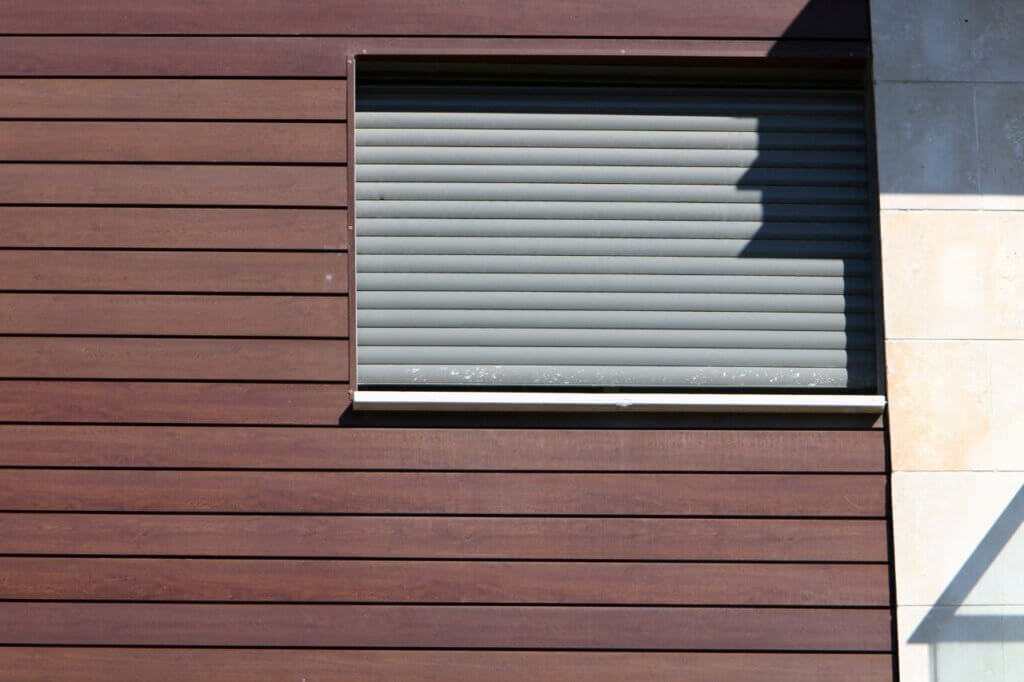
Wood cladding is a timeless option and never overstays its welcome on a house. It always looks stylish, blending both a traditional and modern feel. It brings a natural, warm feel to any property and can be painted or stained to suit your taste. Popular options in the UK include cedar and larch , known for their durability and resistance to rot.
The downside of wood cladding, however, is that it requires more maintenance that options such as composite cladding You’ll need to treat it regularly to protect it from the elements, and it can be susceptible to insect damage. But for many, the classic look of wood, and the flexibility of painting it, is worth the extra effort.
Brick cladding offers a traditional, solid appearance that many homeowners love. It’s incredibly durable, fire-resistant, and requires little maintenance. Plus, it’s a type of cladding that is great for energy efficiency and insulation, helping to keep your home warm in winter and cool in summer.
The main drawbacks, however, are the cost and the weight; brick cladding is one of the more expensive options, and its weight means it’s not suitable for all buildings. It’s also not the easiest to install, often requiring professional help, which isn’t great if you’re looking to keep your costs low.
If you’re after a timeless and durable finish, stone cladding might be for you. Whether you opt for natural stone or manufactured stone veneer, this type of cladding can give your home a high-end, rustic charm. It’s also incredibly durable and can last for decades with minimal maintenance.
That being said, like brick, stone cladding is heavy and expensive, and typically requires skilled installation to ensure it’s properly secured and waterproofed.
Metal cladding, typically made from aluminium or steel, offers a modern, industrial look that’s becoming increasingly popular thanks to its durability and low maintenance. And for the eco-conscious amongst you, metal cladding can also be recycled at the end of its life, so extra green points there.
On the flip side, metal cladding is often better for industrial developments and commercial buildings due to its weather resistance, durability and neutral aesthetic. It can also be noisy in rain or hail, and it’s prone to denting in extreme weather. Plus, it can also be quite expensive, especially if you’re opting for high-end finishes.
Fiber cement cladding is made from a combination of sand, cement, cellulose fibres and water. They provide a high-quality finish for any home and are generally considered to be a low-cost cladding option. They also offer good weather resistance and are not difficult to install, making them great if you’re looking to save money on your cladding project.
However, despite this type of cladding being easy to install, its weight can be a barrier for some people.
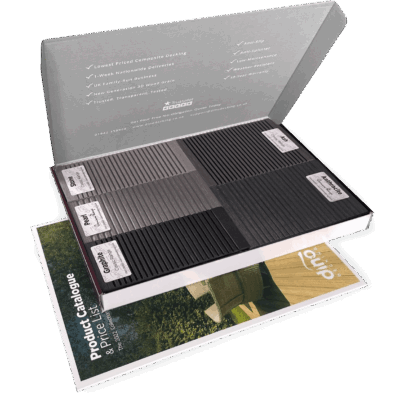
Our sample pack contains a sample piece of each colour currently available. Order your free sample pack today to compare the colours and get a true feeling of the Dino Decking range!
Wooden decking is a very popular option for outdoor decks. Typically, people appreciate the aesthetic of wooden decking, while composite
So, you’re a homeowner looking for a comparatively low-effort way to improve the look of your house. Our bay window