
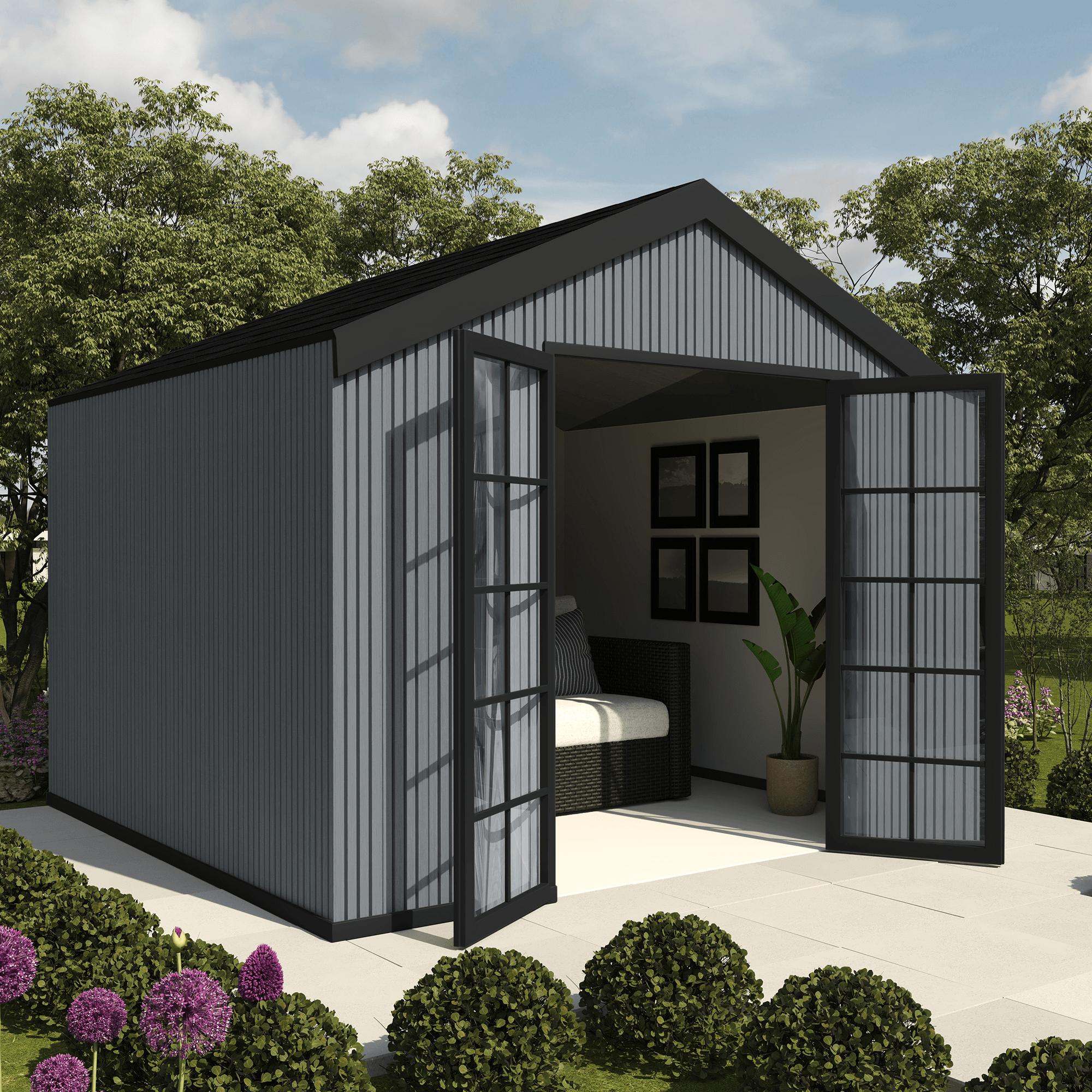
10 Unique Shed Cladding Ideas
Sheds have been a staple of gardens and backyards for ages. Over time, they have transitioned from simple tool storage
Products in Stock
Lowest Prices
Express Delivery
10-Year Warranty
October Sale. Up To 15% Off.
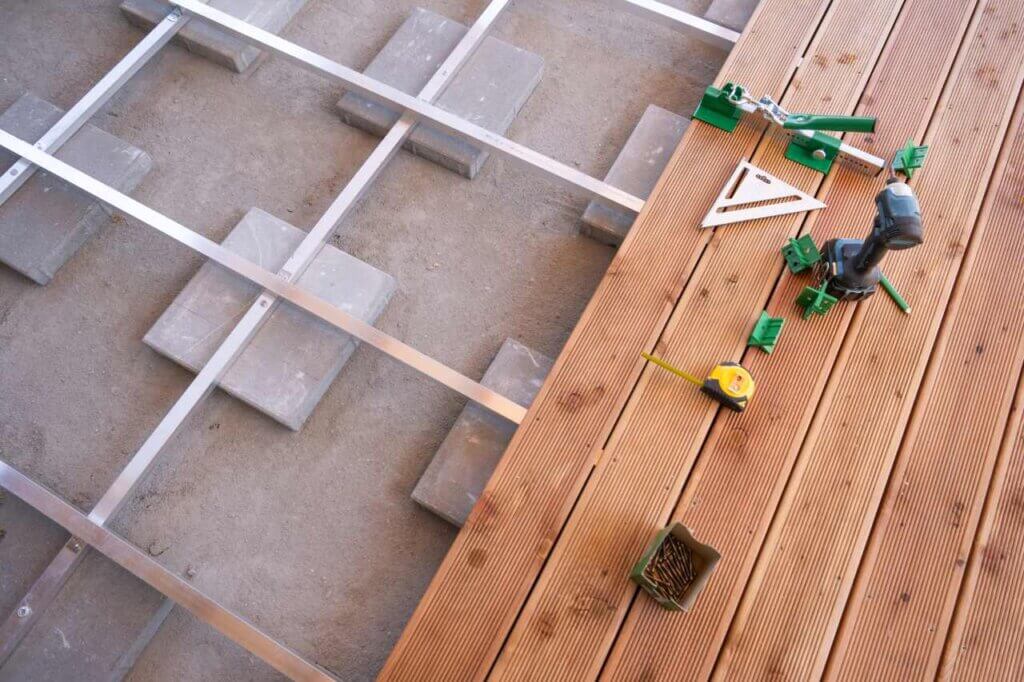
To build a high-quality, long-lasting deck, you first need to have a solid foundation. The problem most people face when building a deck is deciding which of the many different types of deck foundation and footing options they should choose.
If that’s the challenge you’re currently facing, you’ve come to the right place. To help you make the right decision for your deck, in this complete guide, we’re going to cover:
But before we go into any more detail on the topics above, let’s first take a look at why choosing the right deck foundation is important.
The foundation of your deck is the key to its overall stability. If the foundation is improperly chosen or installed, it could lead to shifting, settling, or even collapse over time. A well-designed foundation not only supports the deck but also helps maintain its longevity by keeping it secure against environmental factors.
Deck footings are the base of a foundation, in contact with the soil, whereas deck foundations are the supporting structures that rest on top of the footing, providing the structure for the decking boards to rest on.
Before selecting a foundation, consider the following key factors that will help you make the best choice for your deck.
The type of soil your deck will be built on plays a vital role in choosing the appropriate foundation. Clay, sandy soil, and rocky ground all affect the foundation differently.
For example, clay soil can shift easily, while sandy soil may not offer enough support without proper reinforcement. So, make sure to test and assess the ground conditions before deciding on a foundation type.
Learn how to lay decking on soil in our other helpful guide.
Weather conditions, such as heavy rains, freeze-thaw cycles, or extreme heat, will affect how your foundation holds up over time. Decks in areas with frequent rainfall may require better drainage options, while regions with freezing temperatures will need foundations that can withstand freeze-thaw cycles.
That’s why choosing deck foundations that are built to handle the climate in your area is of key importance.
The size and intended use of your deck also determine which foundation will be the most appropriate. Larger decks or those that will support heavy loads, such as hot tubs, may require stronger foundations, while the opposite is true if you’ve looked at different composite decking ideas and have decided to go for a smaller deck that won’t bear too much weight.
Keep these factors in mind as you plan the construction of your deck to ensure the foundation can handle the expected weight.
There are several different types of deck foundations, each with its own set of advantages and challenges. Let’s look at the most common options.
Concrete is one of the most popular and durable materials used for deck foundations. It can be poured in place or precast into blocks and offers long-lasting support. Concrete foundations are ideal for areas with unstable soil or where extra weight-bearing capacity is needed. Read more in our guide on laying decking on concrete.
Post foundations are another common choice for deck construction. This type of foundation involves securing posts into the ground, typically with concrete, to support the overall structure of the deck. Post foundations work well for decks that need to be elevated or are built on uneven terrain.
Helical piers are a modern foundation option that consists of steel posts with helical blades at the bottom. These posts are screwed into the ground, making them ideal for areas with poor soil conditions or where traditional footing methods are not possible. They are quick to install and provide great stability.
Ground screw foundations are a modern and eco-friendly alternative to concrete footings that involve screwing heavy-duty screws into the ground to create a stable foundation for structures. They are quick to install, however they struggle in uneven terrain and require specialised machinery to install.
For help on which base you need for composite decking, check out our helpful guide.
Just like foundations, deck footings are essential for supporting the structure and ensuring stability. There are several types of footings that can be used depending on your project requirements.
Poured concrete footings are a traditional method for supporting decks. Concrete is poured into forms that are placed into the ground to provide a stable base. This type of footing is strong and durable, making it a great choice for decks that need solid support.
Precast concrete footings are pre-manufactured concrete blocks that are placed directly into the ground. They offer quick installation and can be more cost-effective than poured concrete footings. However, they may not offer the same level of customisation as poured concrete.
Diamond pier systems are another innovative footing option. They consist of concrete piers with a series of steel rods that are driven into the ground to create a stable, durable foundation. This system works well for areas with unstable soil or difficult access.
Screw piles, or helical footings, are similar to helical piers in that they are screwed into the ground using a large machine. These footings are excellent for areas where traditional footing methods are not feasible and offer a stable, long-lasting foundation.
Ground spikes are a quick and easy solution for lightweight decks. They are driven directly into the ground and provide basic support for smaller, lower decks. While they’re not suitable for heavy-duty projects, they work well for simple outdoor spaces.
Each foundation and footing type comes with its own set of advantages and disadvantages. Let’s break down the pros and cons of the most popular options.
| Pros | Cons | |
|---|---|---|
| Concrete foundations | Durable, stable, and can handle large loads | Can be costlier, requires more labour, time-consuming to install |
| Helical piers | Quick installation, ideal for poor soil conditions, and minimal disruption to the surrounding area | More expensive than traditional methods and may require specialised equipment |
| Floating deck foundations | Simple and cost-effective for smaller decks | Not suitable for heavy or large decks and may not be as durable as other options |
| Poured concrete footings | Customisable and offers strong, reliable support | Time-consuming and requires skilled labour |
| Precast concrete footings | Quick to install and more affordable | May not provide the same stability or customisation as poured footings |
| Ground screw foundations | Quick, efficient, eco-friendly | Requires special machinery, struggles in uneven terrain, unable to support heavy constructs |
Choosing the right foundation for your deck requires assessing several factors that are specific to your project, including:
Consider the size of your deck, the weight it needs to support, and the type of soil and climate you’re working with. Once you’ve identified your requirements, you’ll be in a better position to choose the most appropriate foundation.
Make sure to check local building codes and regulations before beginning your project. Some areas have strict guidelines regarding deck construction, including foundation and footing requirements.
If you’re unsure about which foundation and footing options are best for your deck, consulting with a professional builder or contractor can help ensure your project is set up for success or contact us for more information.
Check out our handy guide for building a deck frame.
Choosing the right foundation and footing for your deck is a critical part of ensuring it will remain stable and last for many years to come. By understanding your specific needs and considering the various foundation options, you’ll be able to make an informed decision that will lead to a solid, long-lasting deck.
And once you have a solid foundation set in place, next up, you need to start thinking about the structure and materials for your deck. We highly recommend using composite materials, such as composite decking, as they’re not only modern, durable, and low-maintenance, but they are also generally easier to install. Just take a look at our composite decking installation guide and you’ll see for yourself.
This depends on what type of decking and what garden you have. Simple surface blocks will be enough for low-level decks, whereas raised structures will need pedestal supports or concrete pillars.
You should use 6×2 decking joists if you want a sturdy, long-lasting deck with wider spans. Whilst a 4×2 is sufficient for low-level decking, the number of supports you may need in the end will likely end up costing more than if you had installed with a 6×2 in the first place.
This depends on the “frost line” of where you live. If you live in a warm climate, deck footings may only need to be 12 inches deep, whereas in colder regions they may need to go 36-48 inches deep.
Yes, even if the deck is only a few inches off the ground, an unanchored deck can shift due to eroding soil and disrupt the structural integrity of the whole deck.
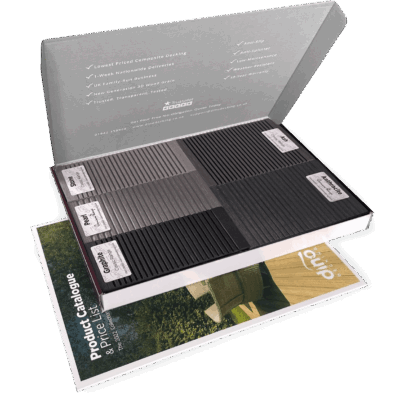
Our sample pack contains a sample piece of each colour currently available. Order your free sample pack today to compare the colours and get a true feeling of the Dino Decking range!
Sheds have been a staple of gardens and backyards for ages. Over time, they have transitioned from simple tool storage
We all know that sustainability is important to reduce damage to the environment, but sometimes we don’t realise that there