
Curved Composite Decking Ideas
If you are looking for curved composite decking ideas to give your outdoor space that sleek, modern feel, we can
Products in Stock
Lowest Prices
Express Delivery
10-Year Warranty
August Sale. Up To 15% Off.

Picture this: you’re standing outside your home, admiring your newly installed exterior composite cladding. The sun hits it just right, and the colour pops, making your house the envy of the neighbourhood. But getting to this point requires careful consideration and a bit of know-how. Choosing the perfect cladding colour is a crucial step in enhancing your home’s curb appeal, complementing its architectural style. Did you know that cladding can also increase your property value?
Cladding colours are more than just a visual element; it has the ability to evoke emotions, set the tone of your home, and even influence the perceived size of your space. Lighter, airier colours can make your home feel more expansive and welcoming, while rich, darker shades can lend an air of sophistication and drama.
The key is to find the right balance – a colour that not only complements your home’s architecture but also reflects your personal style. Whether you want your home to stand out as a neighbourhood showstopper or blend harmoniously with its natural surroundings, the perfect cladding colour can help you achieve that vision.
Read more tips on how to choose the perfect cladding.
Whether you are looking for a bold, contemporary façade or a subtle, natural aesthetic that blends seamlessly with the environment, exploring specific cladding colour options can help you finalise your vision.
Anthracite is arguably the most popular colour choice in modern exterior design today. This deep, smoky grey offers a refined and sophisticated look that is both timeless and highly contemporary. Using Anthracite composite cladding instantly provides a striking contrast against lighter features like white window frames or glass balustrades, lending a bold, dramatic feel to any property. It’s the ideal colour for achieving that sleek, minimalist aesthetic often associated with high-end, new-build architecture.
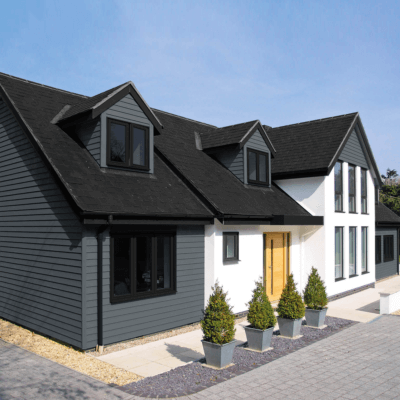
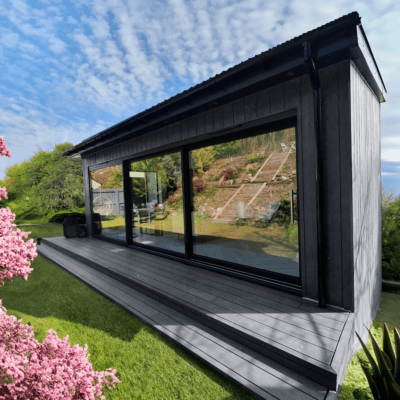
See Anthracite slatted composite cladding See Anthracite flush cladding
For those seeking the classic warmth and character of traditional timber without the constant maintenance, Walnut composite cladding is the perfect solution. Walnut is a rich, deep brown with luxurious undertones that add depth and substance to your exterior. It is an exceptionally versatile shade that works beautifully with heritage buildings, adding a sense of established luxury, and equally well on modern extensions that require an organic, comforting aesthetic.
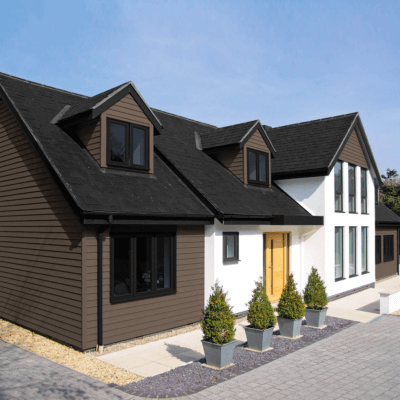
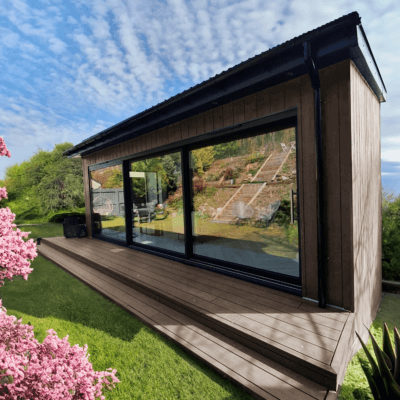
If your goal is to maximise light and space, or to achieve a clean, coastal-inspired look, Pearl is an elegant choice. This soft, pale tone, often leaning toward a light, refined grey or off-white, has a distinctly modern Nordic feel. Light colours like Pearl reflect sunlight, making your home appear more expansive and welcoming. It serves as an airy, clean canvas that allows features like landscaping and stonework to truly stand out, resulting in a refined, low-key sophistication.
See our Pearl composite cladding here.
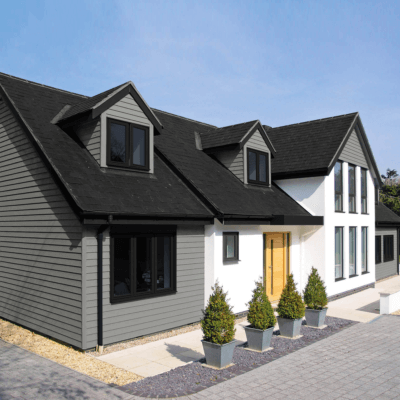
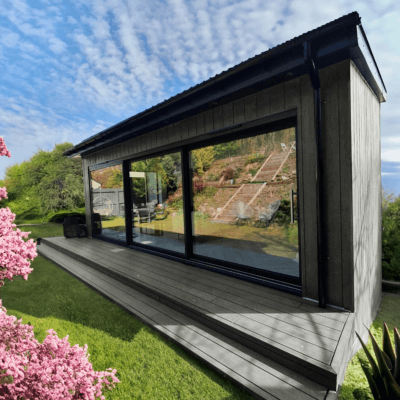
For the ultimate architectural statement, Black composite cladding delivers dramatic, high-impact curb appeal. Pure Black is a bold, uncompromising choice that emphasises clean lines and creates an incredibly fashionable, contemporary edge. It can be used across an entire property for a truly striking effect or selectively combined with lighter panels to create sharp, modern zones and visual interest. Choosing Black is choosing a sleek, high-end look that is guaranteed to turn heads.
See our Black slatted composite cladding here.
Oak cladding offers a vibrant, natural wood-effect finish that brings the warm, golden-brown beauty of traditional wood directly to your home. Lighter and more rustic than Walnut, Oak is highly appealing for garden rooms, outdoor studios, and properties surrounded by natural landscapes. It provides a highly textured, organic aesthetic that is both charming and timeless, ensuring your exterior feels welcoming, appealing, and perfectly connected to nature.
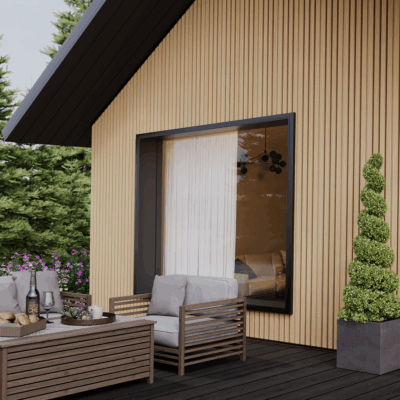
We recognise that the wider cladding market offers a vast spectrum of colours, driven by regional tastes and emerging design trends. For many homeowners, shades like cool Cool Ocean Blue, organic Olive Green, or the deep, rustic tones of Redwood are popular choices, each offering a distinct aesthetic that suits specific architectural styles and landscapes.
As specialists in premium, low-maintenance composite cladding, our goal at Dino Decking is to offer a curated, high-quality range that delivers exceptional long-term value and proven sophistication. The five colours we offer—Anthracite, Walnut, Pearl, Black, and Oak—have been carefully selected because they represent the highest-demand and most versatile aesthetic categories in the UK market:
By focusing on these enduring, high-impact shades, we ensure that every board you receive is a resilient, market-leading colour designed to remain stylish and add significant value to your home for years to come.
Now that we’ve established the importance of colour in home design, let’s explore the factors you should consider when choosing your cladding colour.
Your home’s architectural style is like its personality – it’s what makes it unique and gives it character. When selecting a cladding colour, it’s essential to choose a shade that complements and enhances that inherent style, regardless of whether you choose flush or slatted composite cladding.
For example, if you have a traditional Victorian home, you might lean towards classic, muted tones that evoke a sense of timelessness and elegance. On the other hand, a sleek, modern home might benefit from bold, contrasting colours that emphasise its clean lines and contemporary aesthetic.
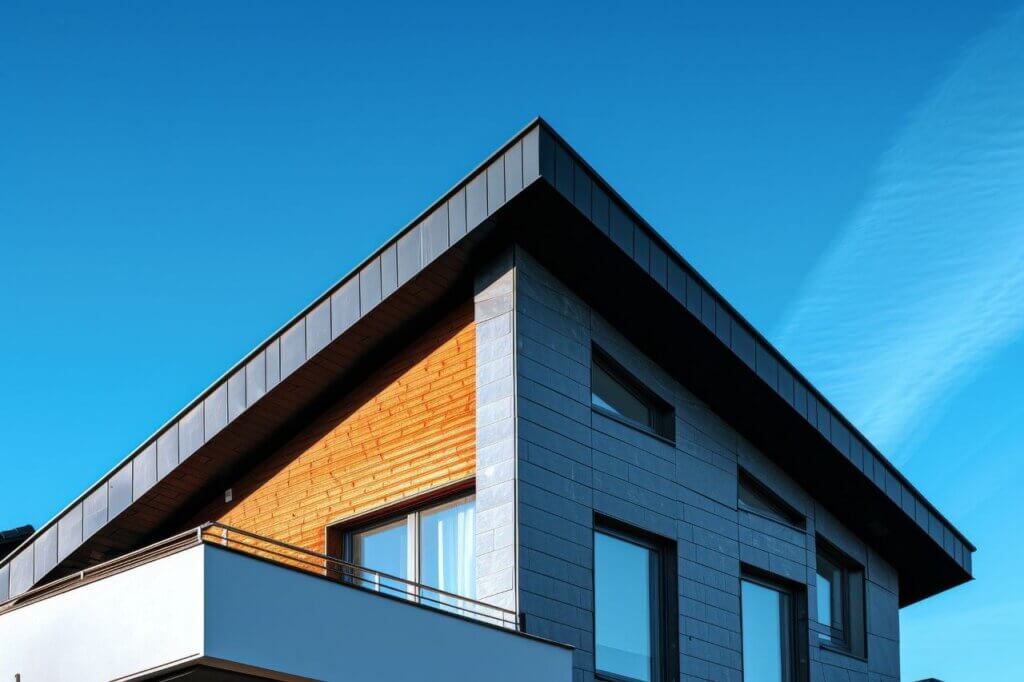
Take a cue from your home’s existing features – the roof, windows, doors, and trim. By choosing a cladding colour that harmonises with these elements, you can create a cohesive, polished look that feels intentional and well-designed.
While your home is your personal oasis, it’s also part of a larger community. When choosing a cladding colour, it’s worth considering the overall aesthetic of your neighbourhood. You don’t necessarily need to match your neighbours’ homes, but selecting a colour that complements the area can help your home feel like it belongs.
That being said, don’t be afraid to let your personality shine through. If you love bold, vibrant colours, consider incorporating them in smaller doses, such as on your front door or shutters. This way, you can add a pop of personal flair without overwhelming the street.
Your home’s location and the surrounding environment can also influence your cladding colour choice. If you live in a region with intense sunlight, lighter colours can help reflect the heat and keep your home cooler. Conversely, if you’re in a cooler climate, darker colours can absorb the sun’s warmth and add a cosy touch to your exterior.
Additionally, consider the colours found in nature around your home. If you’re surrounded by lush greenery, earthy tones like warm browns and deep greens can help your home blend seamlessly with its environment. If you’re near the coast, soft blues and sandy beiges can evoke a sense of serenity and connection to the sea.
Now that you have a better understanding of the factors to consider, let’s dive into some practical tips for choosing your ideal cladding colour:
Begin by creating a colour palette that resonates with you and complements your home’s style. Gather inspiration from sources like home design magazines, Pinterest, or even nature itself. Narrow down your choices to a few key colours that you love and that work well together.

Once you have a general idea of your preferred colours, order samples or swatches from your cladding supplier. Seeing the colours in person, in different lighting conditions, can help you make a more informed decision. Don’t be afraid to hold the samples up against your home’s exterior to get a better sense of how they’ll look in context.
You can order a FREE sample pack from us today.
When choosing a cladding colour, it’s important to think beyond current trends. While a trendy hue might be exciting now, consider whether you’ll still love it in five or ten years. Opting for a timeless, classic colour can ensure that your home’s exterior remains stylish and appealing for years to come.
If possible, paint large swatches of your favourite colours directly onto your home’s exterior. This will give you the most accurate representation of how the colour will look in different lighting conditions and against your home’s existing features. Live with the swatches for a few days, observing how the colours change throughout the day and in different weather conditions.
Explore our guide: Exterior cladding vs painting: Which is better?
Remember, installing the right cladding colour can not only transform your home’s exterior but also boost its value and marketability. So take your time, experiment with samples, and trust your instincts. With a little patience and exploration, you’ll find the perfect hue to make your home the talk of the town.
If you’re looking for a durable, low-maintenance cladding option that comes in a wide range of beautiful colours, consider sustainable composite cladding offered by us at Dino Decking. Our high-quality cladding is designed to withstand the elements while maintaining its stunning appearance for years to come – order a sample today and see it for yourself!
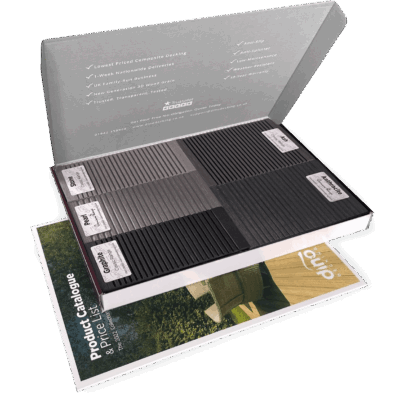
Our sample pack contains a sample piece of each colour currently available. Order your free sample pack today to compare the colours and get a true feeling of the Dino Decking range!
If you are looking for curved composite decking ideas to give your outdoor space that sleek, modern feel, we can
Key Takeaways If you are wondering whether your composite fencing will fade, the answer is yes, it will initially. Once