
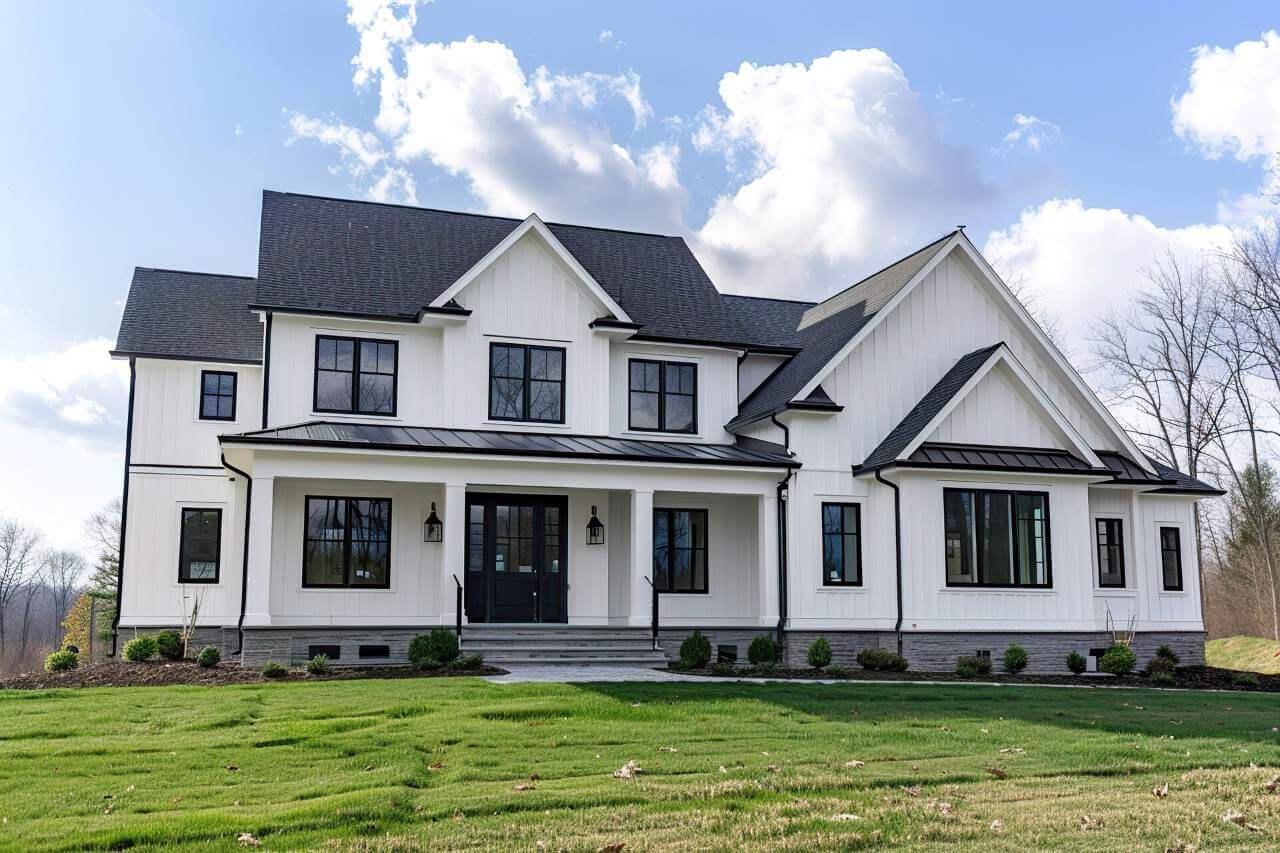
5 Porch Cladding Ideas to Upgrade Your Home
Looking for porch cladding ideas to give your front porch a makeover? If so, you’ve come to the right place!
Products in Stock
Lowest Prices
Express Delivery
10-Year Warranty
October Sale. Up To 15% Off.
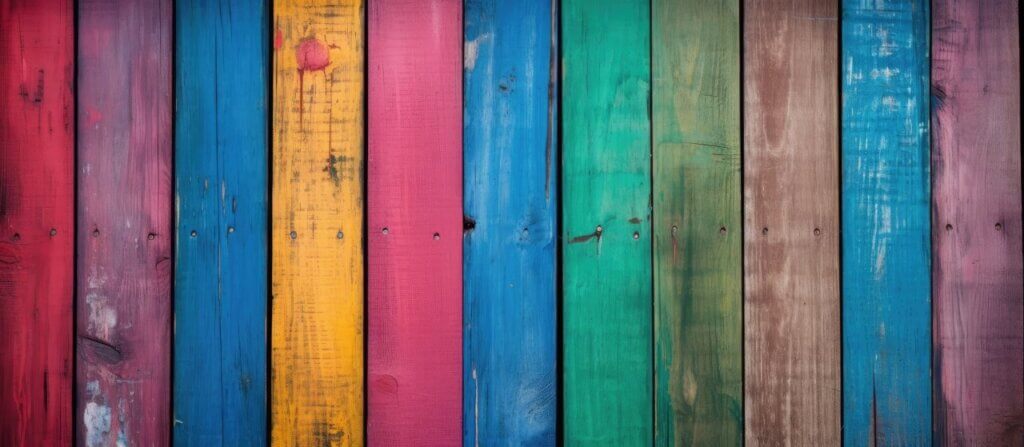
Are you struggling with choosing the right colour fence for your home? Or perhaps you’re still deciding which fence colour idea would best complement your property’s style and landscaping? The fact is, giving your fence a new lick of paint, or upgrading to a different material, can do wonders for your garden.
Whatever the case might be, we’re here to help you choose the right colour with our guide to popular garden fence colours and styling ideas
Before picking one of our fence colour ideas to try yourself, there are a few factors to consider to ensure your fence complements your home’s aesthetics and stands the test of time:
The fence colour idea you choose should enhance, not overpower, the overall design of your home. A modern home might benefit from sleek, minimalist tones like black or anthracite while a traditional or cottage-style home naturally suits classic white, soft neutrals, or warm natural wood finishes.
Take note of the existing plants and features in your garden. If you have vibrant flowers or lush greenery, neutral or dark fence colours provide a striking backdrop that makes foliage pop.
These elevate your chosen fence colour and give climbing plants a place to thrive. Because garden screens come in a variety of colours, ensure you match or contrast them intentionally against your main fence panels
Plus, consider the possibility of using fence accessories such as composite garden screens and a plant trellis. These elevate your chosen fence colour and can give climbing plants a place to thrive. Because Garden screens coms in a variety of colours, ensure you match or contrast them intentionally against your mainfence panels.
Your local climate can affect a fence’s appearance over time. Dark colours canabsorb more heat, which can lead to fading or warping in intense sun. If you live in a rainy or humid area, opting for a weather-resistant paint or stain is a good idea to prolong your fence’s lifespan.
Alternatively, you can also opt for affordable composite fence panels. Composite fencing is cost-effective,, which has increased its popularity. It is also known for being low maintenance and long-lasting. Unlike timber that requires constant repainting, composite fencing features built-in UV stability, giving you a beautiful shade that lasts for years
| Fence Colour Category | Popular Shades | Best Architectural Match | Space Effect |
|---|---|---|---|
| Dark & Modern | Anthracite, Charcoal, Black | Contemporary urban homes, new builds | Adds depth & dramatic contrast |
| Warm Natural Woods | Oak, Walnut, Mocha | Traditional homes, rural & rustic gardens | Cozy, organic, grounded feel |
| Light Neutrals | Pearl, Light Grey, Off-White | Small gardens, coastal & cottage homes | Opens up space, reflects light |
When exploring garden fence colours, sorting shades into distinct tonal categories makes it easy to find a look that matches your vision.
For a modern, dramatic effect, dark fence colours like anthracite grey and deep black are leading current garden design trends.
If you prefer a classic aesthetic that blends seamlessly with nature, earthy wood shades are a timeless choice.
Light neutrals are ideal if you want a subtle, elegant look that maximizes light.
The shade you choose for your boundary lines directly impacts how expansive or cozy your garden feels:Here’s how to use colour to your advantage:
Light fence colours—such as pearl grey, cream, or light timber—reflect natural sunlight back into the garden. This tricks the eye into perceiving the boundaries as further away, making small urban gardens feel open and airy.
Counterintuitively, very dark shades like charcoal or black can also make a garden feel larger. Dark colors absorb light and cause shadows to blur, making the actual fence line less noticeable behind lush green foliage.
Dark shades like anthracite grey or black offer the highest contrast against green foliage and bright floral displays. The dark background creates a vivid canvas that highlights plant shapes and vibrant bloom colours.
Your fence does not need to match your decking or patio exactly, but it should harmonise. A popular approach is pairing dark grey fencing with lighter grey composite decking, or matching warm oak fence panels with natural stone paving.
Natural wood tones and medium grey shades show the least amount of everyday dirt and rainwater splashes. However, choosing a low-maintenance material like composite fencing matters more than the colour itself, as composite panels do not require annual repainting or sealing regardless of shade.
Choosing the right fence colour is all about creating a cohesive look for your outdoor space. Once you have a color palette in mind, ensuring your fencing material stands up to the UK weather is the next step.
If you’re curious about exploring durable alternatives to traditional timber paint, take time to discover the different types of fencing available for your garden.
At Dino Decking, our premium composite fencing collection is available in a versatile spectrum of realistic wood-grain finishes and contemporary tones. Built to resist rot, warping, and fading, our panels deliver long-lasting beauty without the effort of annual repainting.
Contact our friendly team of fencing experts today or order a FREE sample pack to get a taste of our designs firsthand.
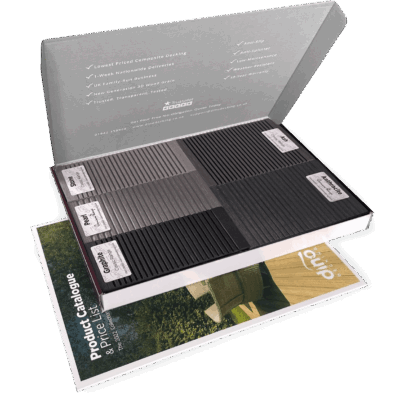
Our sample pack contains a sample piece of each colour currently available. Order your free sample pack today to compare the colours and get a true feeling of the Dino Decking range!
Looking for porch cladding ideas to give your front porch a makeover? If so, you’ve come to the right place!
So, you’ve discovered that there is a bees nest under your decking and you’re wondering what steps to take to