
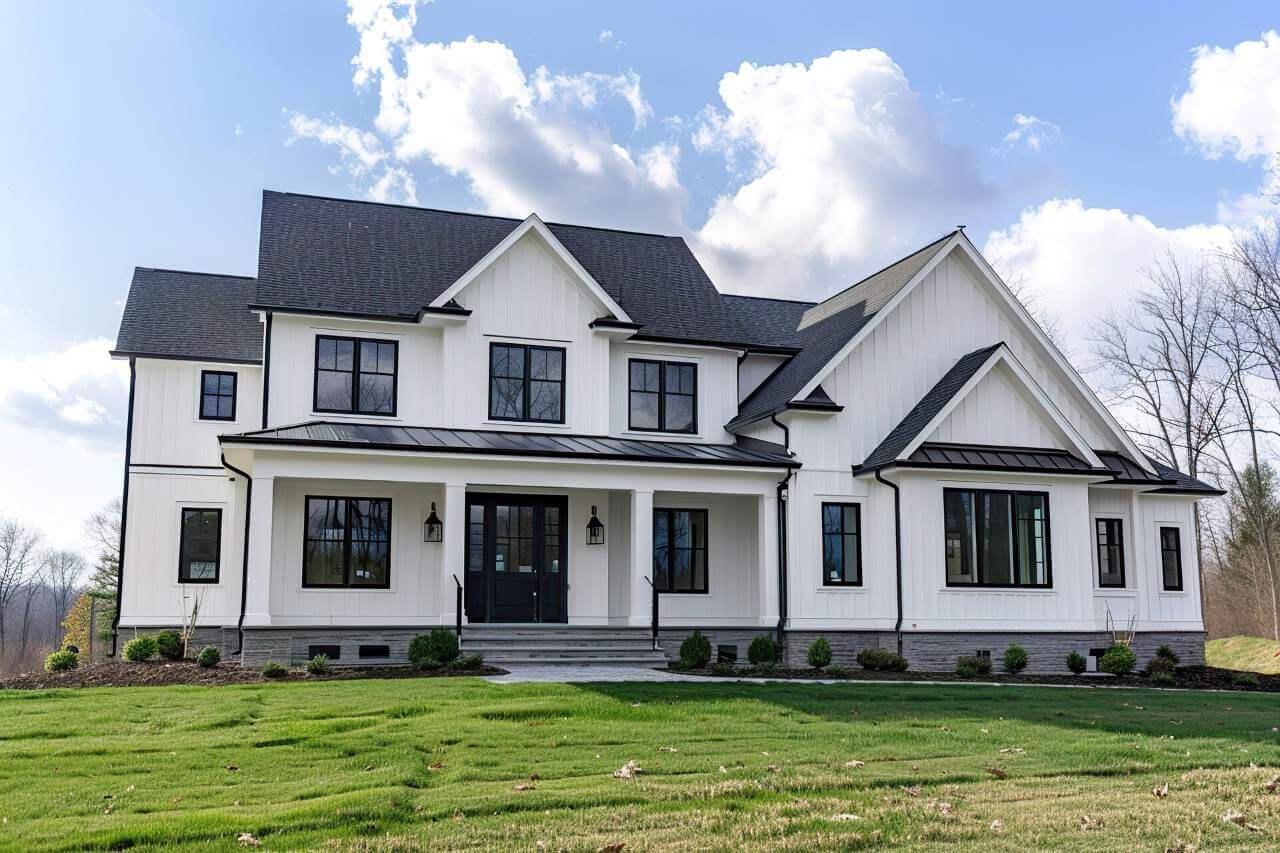
5 Porch Cladding Ideas to Upgrade Your Home
Looking for porch cladding ideas to give your front porch a makeover? If so, you’ve come to the right place!
Products in Stock
Lowest Prices
Express Delivery
10-Year Warranty
October Sale. Up To 15% Off.
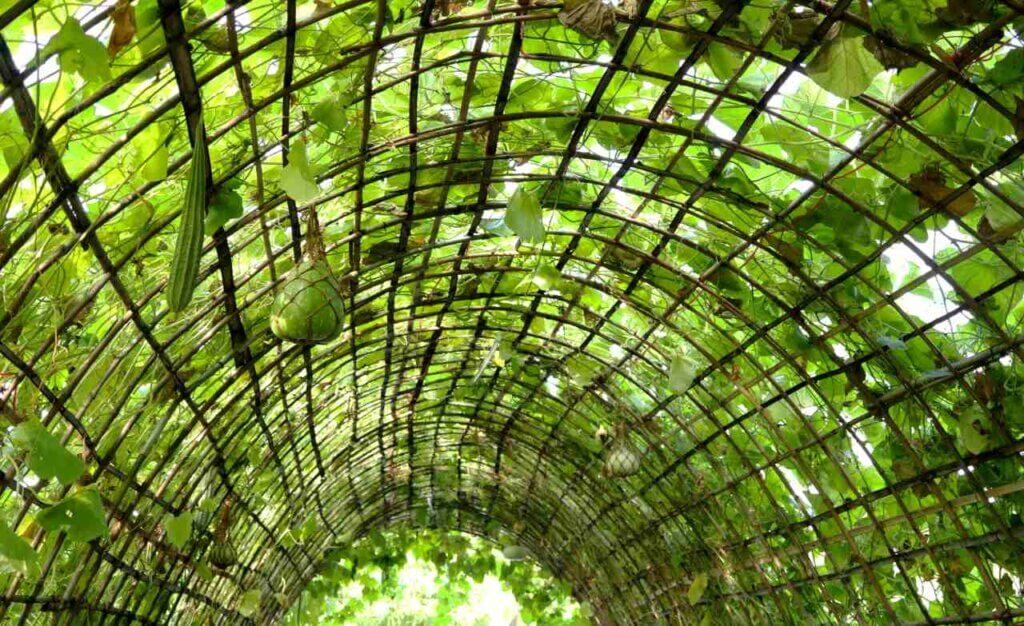
If you’re looking to add vertical interest and support for your climbing plants, you may be considering a trellis. Trellises not only provide a functional structure for your plants to grow on but also add a decorative element to your garden. And when it comes to choosing the right trellis material, two popular options are wood and metal – but what’s the difference?
In this post, we’ll explore the key differences between wood and metal trellises, helping you make an informed decision for your garden.
| Feature | Wood Trellis | Metal Trellis |
|---|---|---|
| Durability | Lower. Susceptible to rot, mould and splintering if not maintained. | Higher. Weather-resistant; won’t warp or rot. |
| Maintenance | High. Requires regular maintenance during wetter months. | Low. Rarely needs more than a quick wash. |
| Installation | Easier to cut and install than metal. | Heavier and requires sturdier anchoring (especially for large arches). |
| Aesthetics | Provides a classic vibe, but there are a lot of options. | Sleek, modern, or ornamental; visually lighter. |
| Cost | Usually cheaper than metal trellises. | More expensive upfront, but cheaper over its lifetime. |
| Plant Grip & Weight | Great for lightweight climbers. Thick slats provide good grip for tendrils. | Exceptional for heavy, woody plants like Wisteria or climbing roses. |
Before we dive into the comparison, let’s first understand what a trellis is. A trellis is a vertical structure designed to support and display climbing plants, such as vines, roses, or clematis. It typically consists of a framework of intersecting bars, wires, or panels, creating a lattice-like pattern for plants to grow on. Trellises can be freestanding or attached to walls, fences, or other structures in your garden.
A wood trellis is a classic choice for many gardeners, offering a natural and timeless look. Common materials for wood trellises include cedar, redwood, and pressure-treated lumber. These materials are chosen for their durability and resistance to rot and insect damage.
But wood trellises do have a variety of pros and cons.
Metal trellises have gained popularity in recent years for their durability, low maintenance, and modern aesthetic. Common materials for metal trellises include iron, steel, and aluminum.
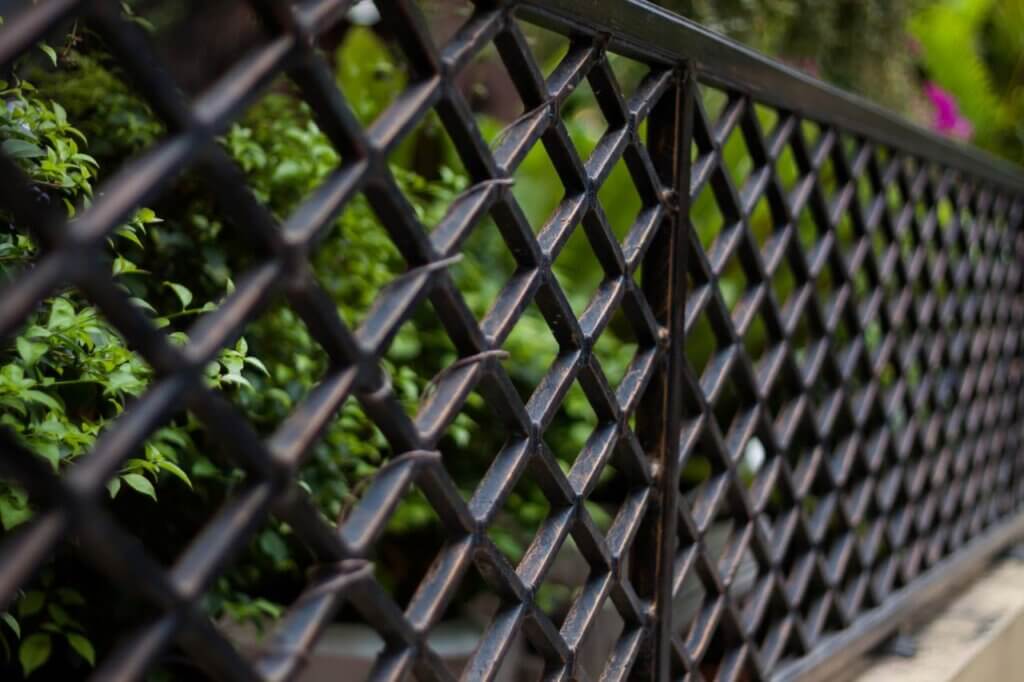
In general, metal trellises tend to be more expensive than wood trellises. However, the long-term cost-effectiveness of metal trellises may outweigh the initial investment, as they require less maintenance and have a longer lifespan.
Both wood and metal trellises can be installed using similar methods, such as anchoring them to the ground or attaching them to walls or fences. However, metal trellises may require more specialised tools and hardware for a secure installation.
When it comes to environmental impact, wood trellises have an advantage if they are made from sustainable, responsibly sourced materials. Metal trellises, on the other hand, have a higher carbon footprint due to the energy-intensive manufacturing process. However, the longevity and recyclability of metal trellises can offset some of these environmental concerns.
Deciding whether to buy a wood or metal trellis depends on the feel you’re going for. If you are looking for a more traditional and classic garden, a wooden trellis is your best option due to its rustic appeal. For more modern gardens, a metal trellis will look just the part. However, there isn’t a one size fits all here; both wooden and metal trellises can fit a variety of aesthetics if styled correctly.
Ultimately, the choice between a wood or metal trellis depends on your specific gardening needs, personal preferences, and budget.
We recommend considering the following factors:
Choosing between a wood or metal trellis is a personal decision that depends on your unique gardening needs and preferences. By understanding the pros and cons of each material and considering factors such as cost, maintenance, and aesthetic appeal, you can select the perfect trellis to enhance your garden’s beauty and functionality.
At Dino Decking, we offer a range of high-quality, durable trellises to suit every garden style. Our stylish composite trellis for your garden combines the natural beauty of wood with the low-maintenance benefits of composite materials, providing a long-lasting, attractive solution for your climbing plants.
Discover the different types of trellis available and find the perfect match for your garden. With our free samples and next-day delivery across the UK, it’s never been easier to bring your dream garden to life. Contact our friendly team today to learn more about our trellis options and start creating a beautiful, thriving outdoor space.
There isn’t really a best option when it comes to privacy, but metal stands out more for one main reason: longevity. Wood is more likely to rot and splinter, which, if you want privacy, will cause issues. A metal trellis, however, is sturdy and stable, granting privacy for as long as you need.
A metal trellis is generally not too hot for plants, as the open structure dissipates heat and vines naturally shade the metal as they grow. However, in extreme climates or during direct midday sun, delicate plant stems, tendrils, or new leaves can be affected. If you are worried about this, we recommend choosing a light-coloured trellis.
A high-quality metal trellis will last between 10 and 30 years. An equally long-lasting option is a composite trellis. Made from a combination of recycled wood and plastic, it offers the best of both worlds: unrivalled durability and great style.
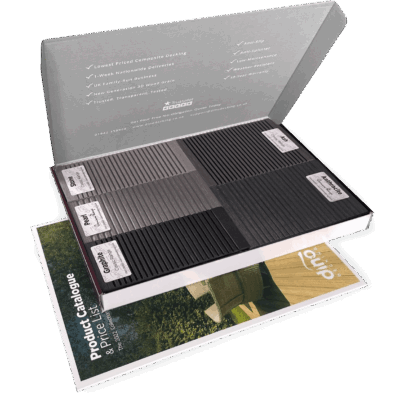
Our sample pack contains a sample piece of each colour currently available. Order your free sample pack today to compare the colours and get a true feeling of the Dino Decking range!
Looking for porch cladding ideas to give your front porch a makeover? If so, you’ve come to the right place!
So, you’ve discovered that there is a bees nest under your decking and you’re wondering what steps to take to