
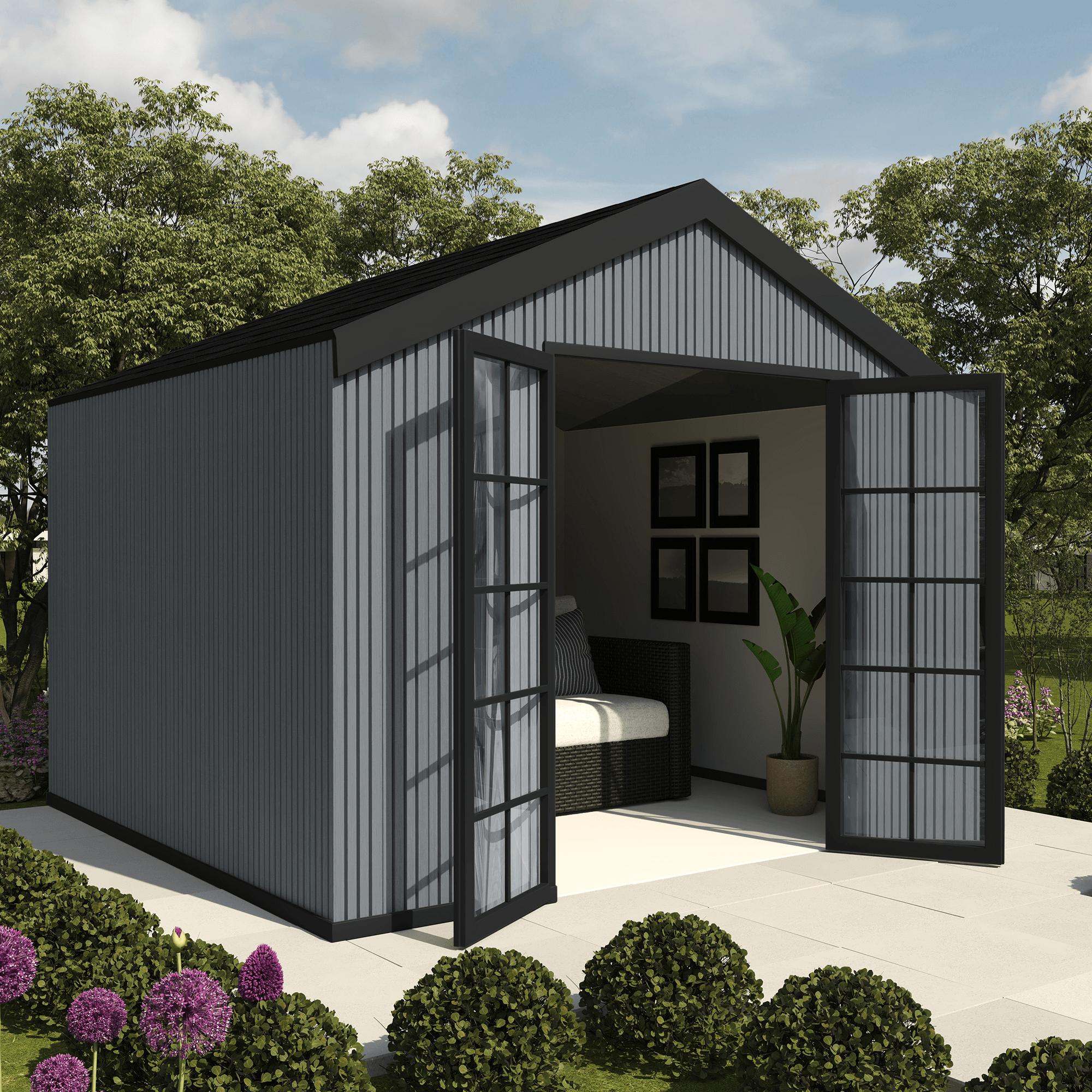
10 Unique Shed Cladding Ideas
Sheds have been a staple of gardens and backyards for ages. Over time, they have transitioned from simple tool storage
Products in Stock
Lowest Prices
Express Delivery
10-Year Warranty
September Sale. Up To 15% Off.
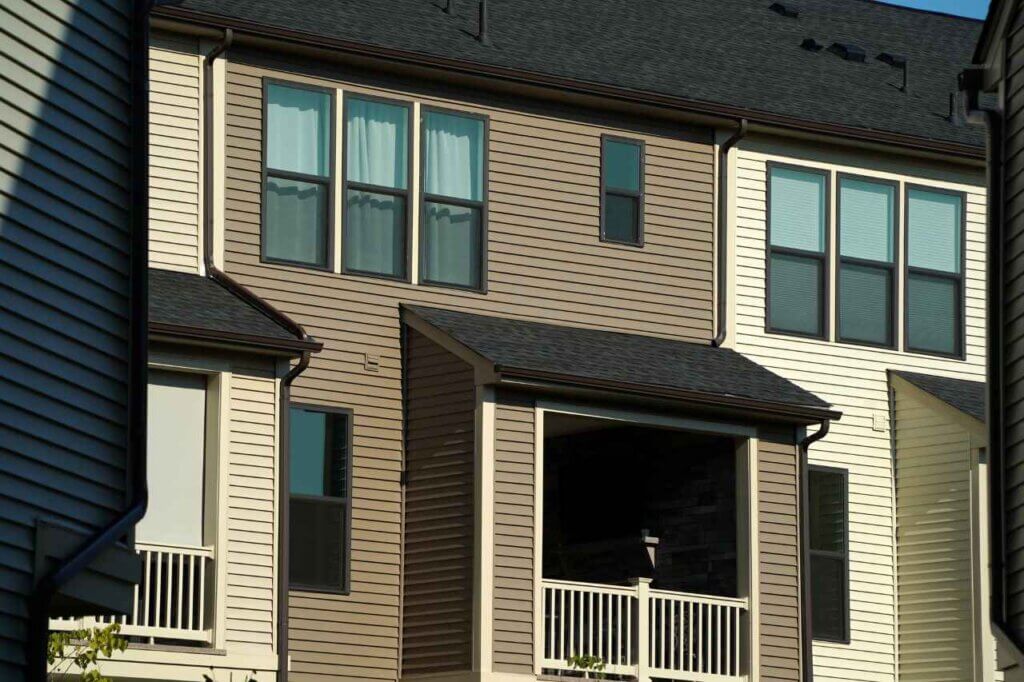
Both cladding and siding can be great for helping insulate your home, adding some aesthetic appeal, and even bumping up the value of your property. But what’s the difference between these two popular exterior finishes? And more importantly, which one is right for your home? We’ve got all that and more covered below, so let’s take a look.
| Traits | Cladding | Siding |
|---|---|---|
| Material Composition | Available in many materials | Typically made from vinyl, wood, or fibre cement |
| Installation Methods | Slightly more complex | Easy installation |
| Aesthetic Differences | Flexible designs and a variety of options for colour | Various colours and textures but uniform design |
| Cost | Higher initial cost | Cost effective |
| Maintenance | Potentially higher maintenance | Low maintenance |
| Heat efficiency | Greatly efficient | Poor efficiency |
| Durability | Resilient to harsh weather | Weak to harsh weather |
First of all, what is cladding? Cladding is like a protective skin for your house. It’s an extra layer attached to the outside of your home that serves both functional and aesthetic purposes; it helps to insulate your home, protect it from the elements, and can significantly boost its curb appeal.
There are many alternatives to cladding, including rendering and painting, but cladding is unique in that it is unmatched in insulation and durability. And while there are many different types of cladding, composite cladding adds even more benefits to an already great addition to your home.
Now, you might be thinking, “cladding sounds an awful lot like siding.” And you’re not wrong. Siding is actually a type of cladding that’s particularly popular in North America, and it typically refers to long, thin panels that are installed horizontally or vertically on the exterior of a building. In the UK, siding and cladding are often used interchangeably, but for the sake of this article, we’re going to break down the small differences.
So, if siding is a type of cladding, what sets them apart? Well, aside from the technical fact that cladding uses battens to create ventilation gaps whereas siding attaches directly to the wall, there are 7 other big differences between the two:
Cladding comes in a wide range of materials, from traditional options like wood and brick to more modern choices like metal and composite materials. Siding, on the other hand, is typically made from vinyl, wood, or fibre cement.
The installation process for cladding and siding can also differ significantly; cladding often involves more complex installation methods, while siding, particularly vinyl siding, is generally designed for easier, more straightforward installation.
While both cladding and siding can dramatically change the look of your home, the sheer number of types of cladding to choose from sets it apart. Cladding generally offers more flexibility in terms of design, and you can even mix and match different materials and styles to create a unique look, such as our selection of composite cladding, which is available in colours from walnut to black and designs from flush to slatted. Siding, however, while available in various colours and textures, tends to have a more uniform appearance.
Being more complex to install and generally heavier than siding, cladding understandably costs a bit more initially, not only for the raw product but also any initial installation or professional help bought if you aren’t installing it yourself.
However, cladding’s durability typically means that in the long-term, you’ll be saving money, whereas siding can break quite easily, leading you to replace it often.
Cladding can also be higher maintenance than siding depending on the material you’re looking for. Wood cladding will need staining and care to avoid rot or insect damage. However, if you go with composite cladding, it offers the durability of cladding with the low maintenance of siding.
Insulation is where cladding steals the win from siding. The heat efficiency of cladding ensures you are saving money and getting a warm house with minimal heat escaping. Whereas siding is quite thin and lacks the insulative properties needed to keep your home toasty.
Cladding is also likely to stay around a lot longer than siding due to its great longevity and resistance to harsh weather. This is where siding can fall short and even end up needing replacing if harsh weather damages it.
Discover tips for enhancing cladding longevity in our helpful blog.
There’s no two ways about it – cladding has a lot going for it. It offers excellent insulation properties, can significantly improve your home’s energy efficiency, and provides robust protection against the elements. Plus, with so many materials to choose from, you can really let your creativity shine.
On the flip side, cladding can be more expensive than siding, both in terms of materials and installation. It might also require more maintenance, depending on the material you choose.
If you’re looking for a low-maintenance option that doesn’t compromise on style or durability, you might want to consider our quality composite cladding; this gives you the best of both worlds, so you can enjoy the look of natural materials while also getting the durability of modern composites.
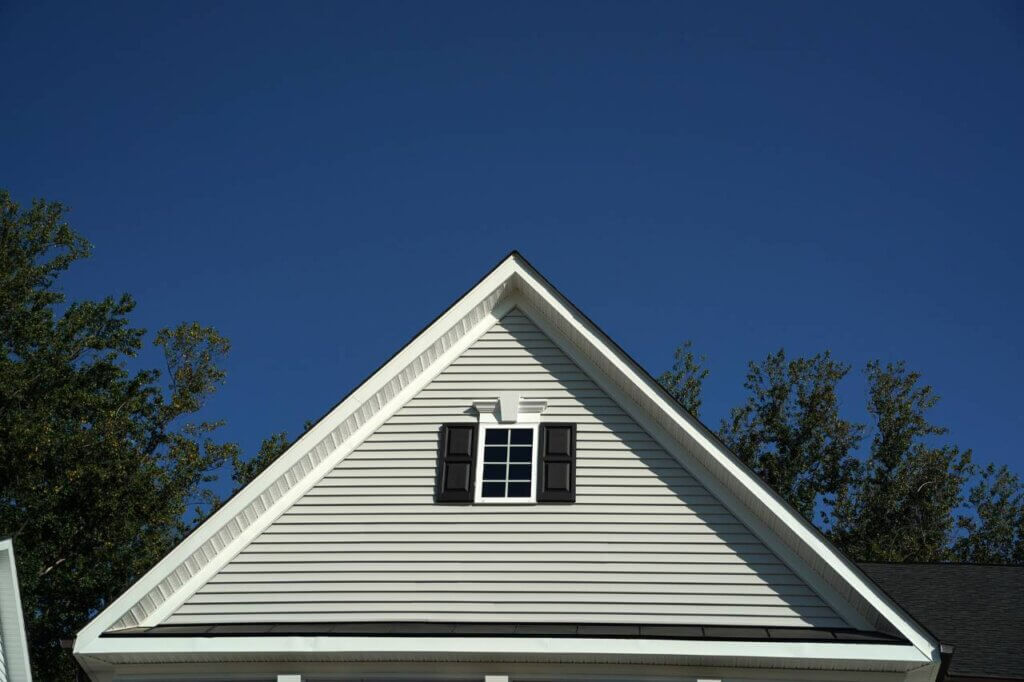
Siding, particularly vinyl siding, is known for being cost-effective and low-maintenance. It’s also relatively easy to install, which can help keep labour costs down, and many homeowners appreciate its clean, uniform look – especially if you’re living in a terraced house.
However, siding may not offer the same level of insulation as some types of cladding, and what’s more, it can also be more susceptible to damage from extreme weather conditions. It’s also fair to say that some find its appearance less aesthetically appealing than other cladding options.
All that being said, deciding between cladding and siding isn’t just about aesthetics. You also want to consider several practical factors:
Generally speaking, your local climate should play a big role in your decision. And while UK weather does tend to be quite predictable, if you live in an area with more extreme weather conditions (especially as temperatures in the south seem to soar every summer), you might want to opt for a more robust cladding option that can withstand whatever Mother Nature throws at it.
How much time are you willing to spend maintaining your home’s exterior? Some cladding materials, like wood, require regular maintenance to keep them looking their best. Vinyl siding, on the other hand, is pretty much maintenance-free, as is composite cladding.
While the initial cost of siding is often lower, it’s important to consider long-term costs as well; a more expensive cladding option might save you money in the long run through improved energy efficiency and longer lifespan.
So, cladding or siding – which one’s right for you? The truth is, they’re incredibly similar – your choice really comes down to materials, your budget, and how much you want to spend on maintenance.
If you’re after a highly customisable solution that can dramatically improve your home’s insulation and weather resistance, our composite cladding is the way to go. But you don’t need to rush into making the investment right away – order a free cladding sample pack today to see if it’s right for you.
Remember, whether you choose cladding or siding, you’re making an investment in your home’s future. It’s not just about protecting your house from the elements – it’s about creating a space that you love coming home to every day.
Cladding tends to be more expensive than siding initially, with prices ranging depending on what material you’re getting, but long-term, cladding tends to make your money back due to its insulation and durability, whereas siding tends to need replacing or repairing frequently.
Composite cladding can range from £30 to £100 per square metre, and siding tends to be around the same depending on the material. There isn’t much of a difference in material; however, siding is easier to install, meaning labour costs may be anywhere from £20 to £100 cheaper.
This depends on what you’re looking for. If you want better insulation and have the money or DIY skills to install composite cladding yourself, composite cladding is the best option for you.
If you’re happy with a uniform house and want a cheap and simple installation job, consider siding.
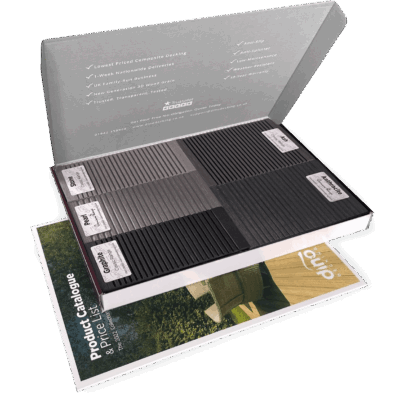
Our sample pack contains a sample piece of each colour currently available. Order your free sample pack today to compare the colours and get a true feeling of the Dino Decking range!
Sheds have been a staple of gardens and backyards for ages. Over time, they have transitioned from simple tool storage
We all know that sustainability is important to reduce damage to the environment, but sometimes we don’t realise that there