
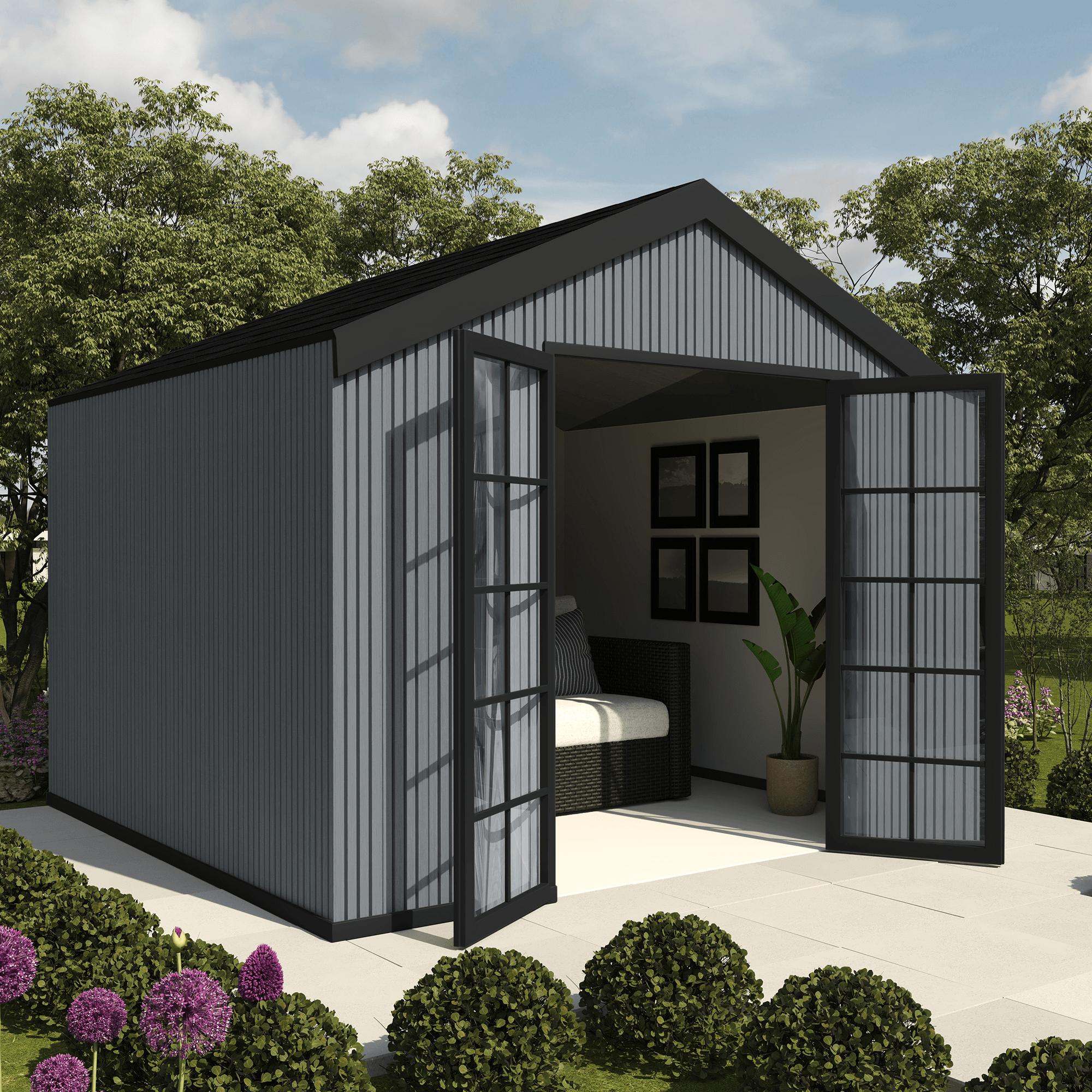
10 Unique Shed Cladding Ideas
Sheds have been a staple of gardens and backyards for ages. Over time, they have transitioned from simple tool storage
Products in Stock
Lowest Prices
Express Delivery
10-Year Warranty
October Sale. Up To 15% Off.
We all know that sustainability is important to reduce damage to the environment, but sometimes we don’t realise that there are sustainable options available – cladding, for example, is not typically associated with saving the planet, but if you pick sustainable cladding materials, it can make a huge impact on not just the environment but also your wallet!
Keep reading to learn more about how to align your moral values with your cladding needs while also saving money.
| Made from | Durability | Other aspects | |
|---|---|---|---|
| Composite cladding | Wood and recycled plastic | Up to several decades with very limited upkeep | No requirements for painting and sealing |
| Timber cladding | Natural wood, often treated to increase longevity | Varies between types of wood; can last long, but on average not as long as composite cladding | Ongoing maintenance requirements – regular painting and sealing needed |
| Aluminium cladding | Aluminium; can contain recycled material | Resistant to damage such as corrosion; low maintenance; can last for up to 50 years | Can be recycled when put out of use |
| Fibre cement | Cement mixed with other materials – e.g., cellulose fibre | Around 40 years and up to 60 years with very little upkeep required | Long lasting, but cement production is energy intensive |
To decide whether or not cladding material is sustainable, you have to look at several factors:
There are several eco-friendly cladding options available that each come with advantages and drawbacks. There is not one single best sustainable cladding option as it always depends on the purpose, the structure you’re cladding and your preferences.
Composite cladding is often thought of as a sustainable alternative to traditional timber. Dino Decking’s composite cladding is made from 55% recycled wood, 40% HDPE plastic and 5% additives, reducing waste and the need for new supplies.
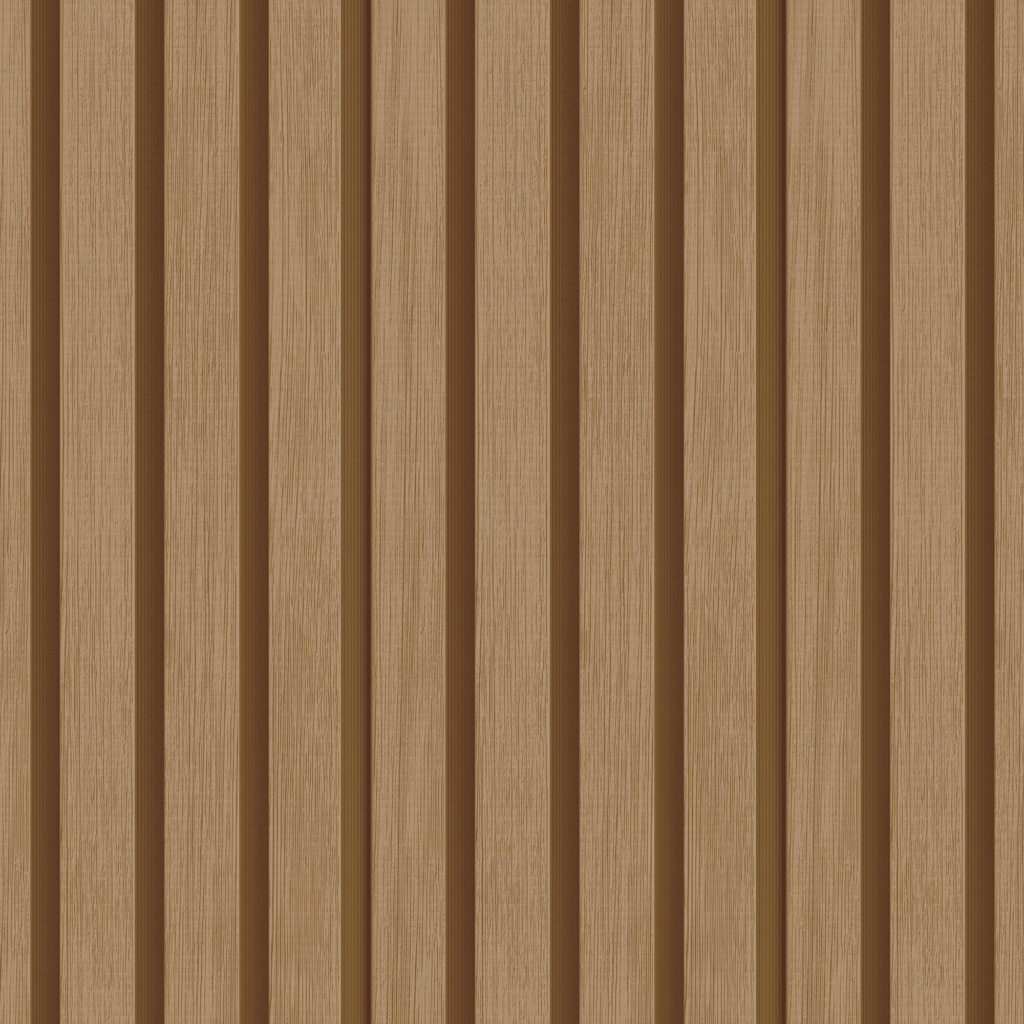
Composite cladding combines functionality with aesthetics and comes in many looks, such as slatted oak or flush anthracite. It is resistant to rot, weather damage and pests, and is also low risk for warping and splinting. Installing your composite cladding will cut down on chemical treatments needed compared to timber.
It is a great way to give your home a modern look that will last for several decades, requires very little maintenance, and will save you money over time.
Timber cladding can be sustainable when the wood is sourced responsibly. It is a renewable resource that is also biodegradable once it’s put out of use. Additionally, it naturally makes for good insulation and helps reduce the need for heating.
Unfortunately, timber is naturally prone to moisture damage, rot and pests. As a result, it will need ongoing maintenance such as sanding, painting and sealing – all of which add to the environmental factor over time due to the chemicals involved.
On balance, the degree of sustainability for timber cladding largely depends on sourcing as well as disposal.
Aluminium cladding can be a sustainable way to do your metal cladding if you keep a few things in mind. First of all, it’s preferable to work with recycled aluminium as the energy required in producing new aluminium is quite high. This also helps to reduce the impact on the planet’s raw material supplies.
Aluminium cladding really shines via its longevity. It is one of the few materials that can keep up with composite cladding when it comes to durability and low maintenance requirements. On top of that, it is fully recyclable at its end of life and consequently saves more resources and also energy by reducing the need for new aluminium.
One general downside is that it doesn’t look as good and doesn’t come in as many styles as timber or composite materials.
While fibre cement is outstanding due to its longevity and because it requires very limited upkeep, the amount of water and energy used for production is quite high compared to other materials. Its carbon footprint for production and transport isn’t ideal.
However, as it outlasts most other cladding materials due to its natural properties such as fire resistance, water resistance and pest resistance, it is still a positive choice to make for the environment on balance. It lasts practically a lifetime while asking for very little maintenance from you!
Go green today with Dino Decking’s product offering for composite cladding! There are several available styles, such as flush or slatted cladding, and shades available for you to pick from.
Dino Decking’s composite material is made from 55% recycled wood and 40% recycled HDPE plastic, lasts for up to several decades, and helps you save energy costs due to its insulating properties. And it does all that at a very affordable cost!
Composite cladding is generally considered to be the lowest-cost option for sustainable cladding. It is made from recycled wood and plastic, making it an eco-friendly cladding option by reducing the need for additional timber supplies.
Its longevity also makes it more sustainable compared to other materials as you don’t need to replace or repair it as frequently as other ones. Additionally, it doesn’t need to be repainted, sanded and sealed, as is the case with timber cladding.
Dino Decking’s composite cladding stock features a protective Dino Shield™ polymer sleeve. It is designed to resist rot, warping, splitting, stains, scratches and mould, while requiring very little upkeep. Browse our product range to see our selection of colours and styles for your composite cladding needs.
Cladding can be very sustainable depending on the materials used. Composite cladding is made from recycled products that otherwise would end up in a landfill and reduce the need for timber supply. Its long lifespan and low maintenance requirements add to its eco-friendly qualities.
Furthermore, it provides a layer of insulation for your home, shed or whichever other structure you’re cladding. This can reduce the heating requirements, which is not only positive for the environment, but also for your wallet!
Lastly, cladding is used to protect the underlying structures and material from damage and helps preserve your home. This results in a reduced need to replace or repair the exterior of the building and cuts down on materials required for that purpose.
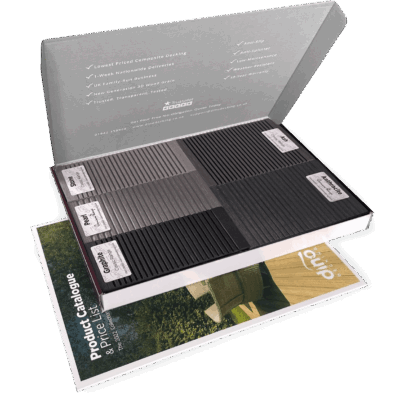
Our sample pack contains a sample piece of each colour currently available. Order your free sample pack today to compare the colours and get a true feeling of the Dino Decking range!
Sheds have been a staple of gardens and backyards for ages. Over time, they have transitioned from simple tool storage
Wooden decking is a very popular option for outdoor decks. Typically, people appreciate the aesthetic of wooden decking, while composite