
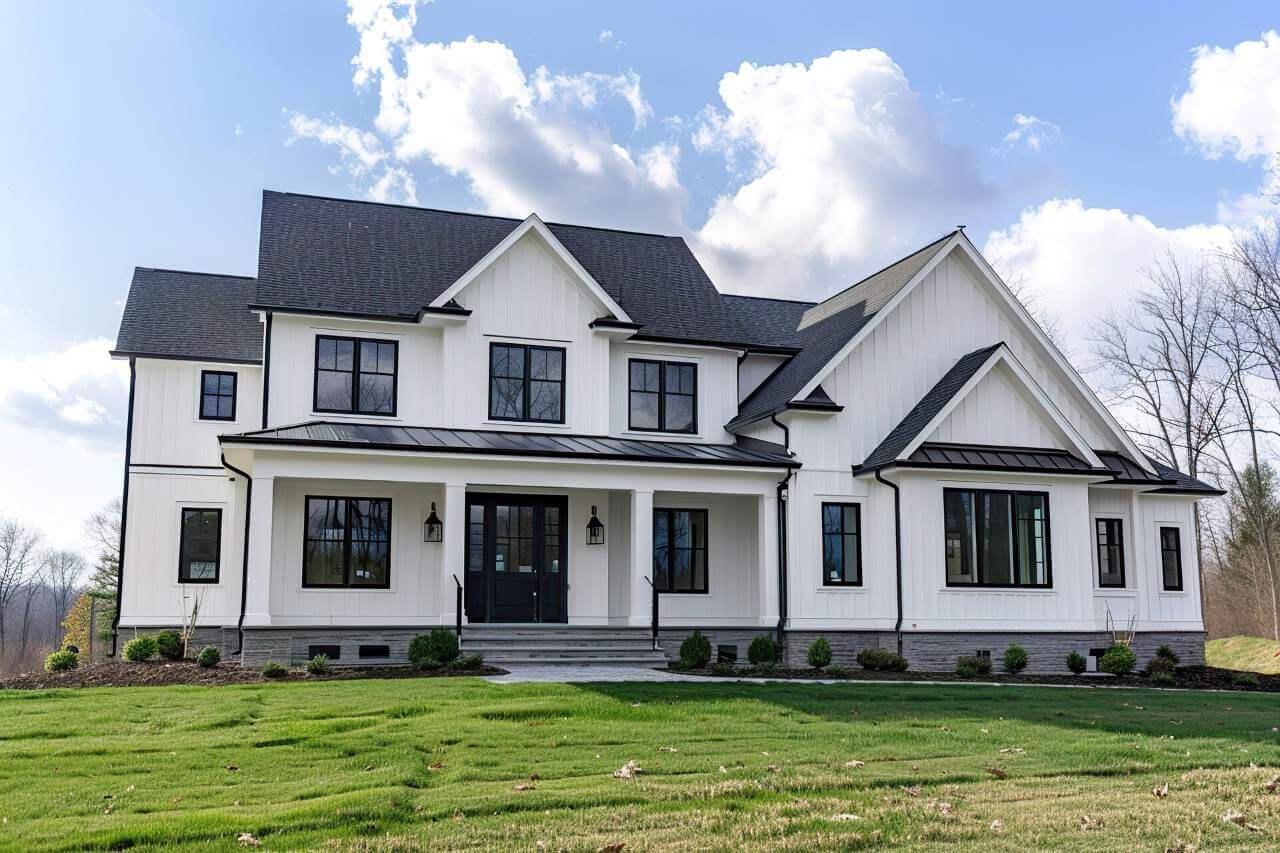
5 Porch Cladding Ideas to Upgrade Your Home
Looking for porch cladding ideas to give your front porch a makeover? If so, you’ve come to the right place!
Products in Stock
Lowest Prices
Express Delivery
10-Year Warranty
October Sale. Up To 15% Off.
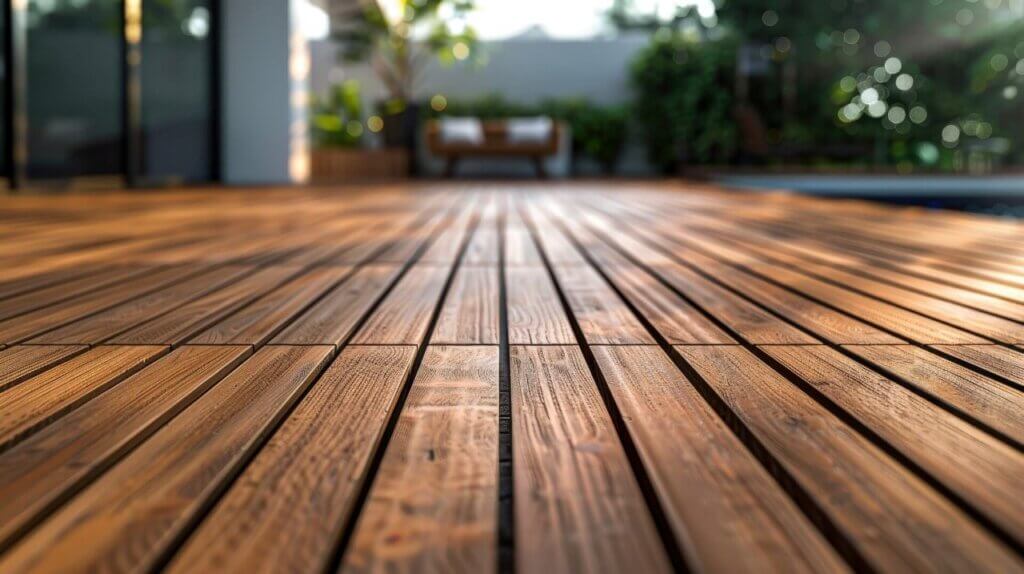
Wooden decking is a very popular option for outdoor decks. Typically, people appreciate the aesthetic of wooden decking, while composite decking offers a more functional and low-maintenance option. But how long does wooden decking last and how do you ensure its longevity?
This guide explains the risk factors, how to maintain your wooden decking, and what you can do to keep it in good condition for longer. If you put in the effort, you can keep your wood decking functional and looking good for a long time. Knowing how to do that is the first step to a long-lasting wooden deck.
The lifespan of a wooden deck largely depends on the type of wood you use. While untreated softwoods typically last five to 10 years, treated softwood can stay functional for up to 15 years. If you choose hardwood and maintain it properly, you might be able to enjoy your wooden decking for as long as 20 to 30 years.
Composite decking, on the other hand, has an average lifespan of 20 to- 30 years while requiring less effort to ensure longevity. Some composite decks actually last for up to 50 years! You can see a similar effect for fences – composite fencing outlives wooden fencing while requiring less maintenance.
The UK weather isn’t exactly known for its consistency and sunny spells. Between rain and high-humidity heat, there is a high risk of your wooden decking getting damp, which in turn can cause the boards to rot. This makes wood soft and spongy, which can result in cracks or breakage in your decking. Repairing rot is time consuming and in severe cases it will require you to replace the affected boards.
If you don’t do the work to enhance your wood’s longevity, its lifespan will decrease. Timber needs to be sealed and stained continuously. Untreated wood is prone to moisture damage and pests that are otherwise prevented by sealing it properly. Think of sealing it as a protective barrier between the material and the elements. As it is outdoors, decking wood is constantly exposed to the weather as well as pests.
Sun exposure is a common reason why timber fades and can also impact its longevity. UV lighting not only causes cosmetic damage, but can also compromise the structural integrity of the wood. Making the surface more porous allows water to penetrate the wood, which in turn increases the risk of moisture damage such as rot. You can prevent this by using UV-resistant treatment for your wooden decking.
The quality of your deck’s subframe impacts the longevity of your wooden decking. Regularly check the foundation for damage such as signs of rot or pests that, if left untreated, can cause structural failure and make your deck unsafe. Splitting and soft spots in the wood may be signs that the material is compromised. Keeping up with maintenance and regular checks is the best way to avoid any serious issues.
When checking your wooden decking, always check for signs your decking might need replacing:
Some of these issues can be avoided with the right products and maintenance. For example, you can install non-slip decking to prevent accidents.
One crucial element of optimising your wooden decking’s lifespan is ventilation. You need proper airflow as well as board clearance from the ground to let the damp escape and prevent moisture from building up. This will protect the boards from rot and reduce the risk of structural issues.
You don’t want the wood to make direct contact with soil or grass as that can compromise the integrity of the timber and result in rot. The recommended minimum gap between the soil and the wooden boards is 150mm to achieve the air circulation you need.
When installing your wooden decking, you want to avoid screwing screws into the boards as they create holes and make the board more prone to absorb moisture that can cause damage. Instead, keep the boards watertight with a hidden fastener system. Preventing water from penetrating your wood will increase its lifespan and avoid rot.
Make sure to use a fastener system that is suitable for the material you’re using and the thickness of the boards. That way, you can ensure structural integrity and prevent your deck from collapsing unexpectedly.
The first step to ensure your deck’s longevity is to install a long-lasting subframe. The substructure is the deciding factor on how weight is distributed across the decking boards. It keeps the decking stable and the airflow going.
A subframe prevents the boards from bending, avoids them being dislodged in severe weather conditions and cuts down the risk of rotting wood. Not only will your decking last longer, but the stability is also important for the health and safety of anyone who spends time on the deck.
A poorly installed frame will not only cut down the deck’s lifespan, but may also cause injury.
If you are interested in an alternative to traditional wooden decking because the upkeep does not fit into your everyday life, composite decking might be just what you are looking for. Low maintenance while offering a range of looks to suit any taste, composite decking offers the ideal solution for anyone who wants to enjoy their deck without worrying about staining and sanding.
Check out Dino Decking’s full product offering to find the perfect material for your personal garden oasis!
The lifespan of your deck depends on the type of wood you use. The rule of thumb is:
While this is a basic guide to how frequently to replace your wooden decking, regular checks on the condition of your timber is vital. If there is any damage or structural instability, you might need to replace parts or your entire deck sooner than that.
The aesthetics and elegance of wooden decking make it a timeless classic and popular choice for many. However, there are a few disadvantages to installing wooden decking: it can be quite pricey and time-consuming to get it set up, and once it is done, the upkeep will require ongoing effort to avoid damage and issues.
If you are looking for a less high-maintenance decking solution for your garden, composite decking might be a better fit. It will last you just as long as hardwood and take less time and work to keep in good condition over the years.
Yes, staining your wood deck definitely increases its lifespan. If done right, staining can protect the boards from external damage such as damp, UV rays and splinting. It will also enhance the look of your deck by highlighting the wood’s natural grain and adding a fresh touch of colour.
To get the best results, make sure that your deck is completely dry and clean before you get started and is sanded as needed. Pick a stain that is suitable for outdoors and includes UV protection. Apply it evenly on the whole deck, wipe away excess and puddles immediately, and let your deck dry for the amount of time specified by the manufacturer.
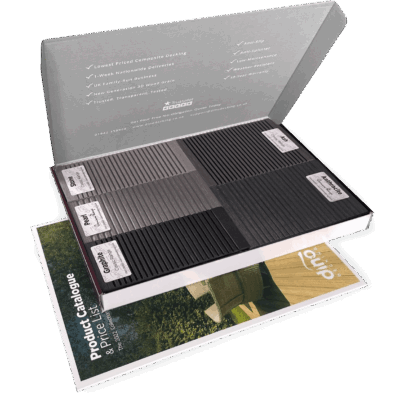
Our sample pack contains a sample piece of each colour currently available. Order your free sample pack today to compare the colours and get a true feeling of the Dino Decking range!
Looking for porch cladding ideas to give your front porch a makeover? If so, you’ve come to the right place!
So, you’ve discovered that there is a bees nest under your decking and you’re wondering what steps to take to