
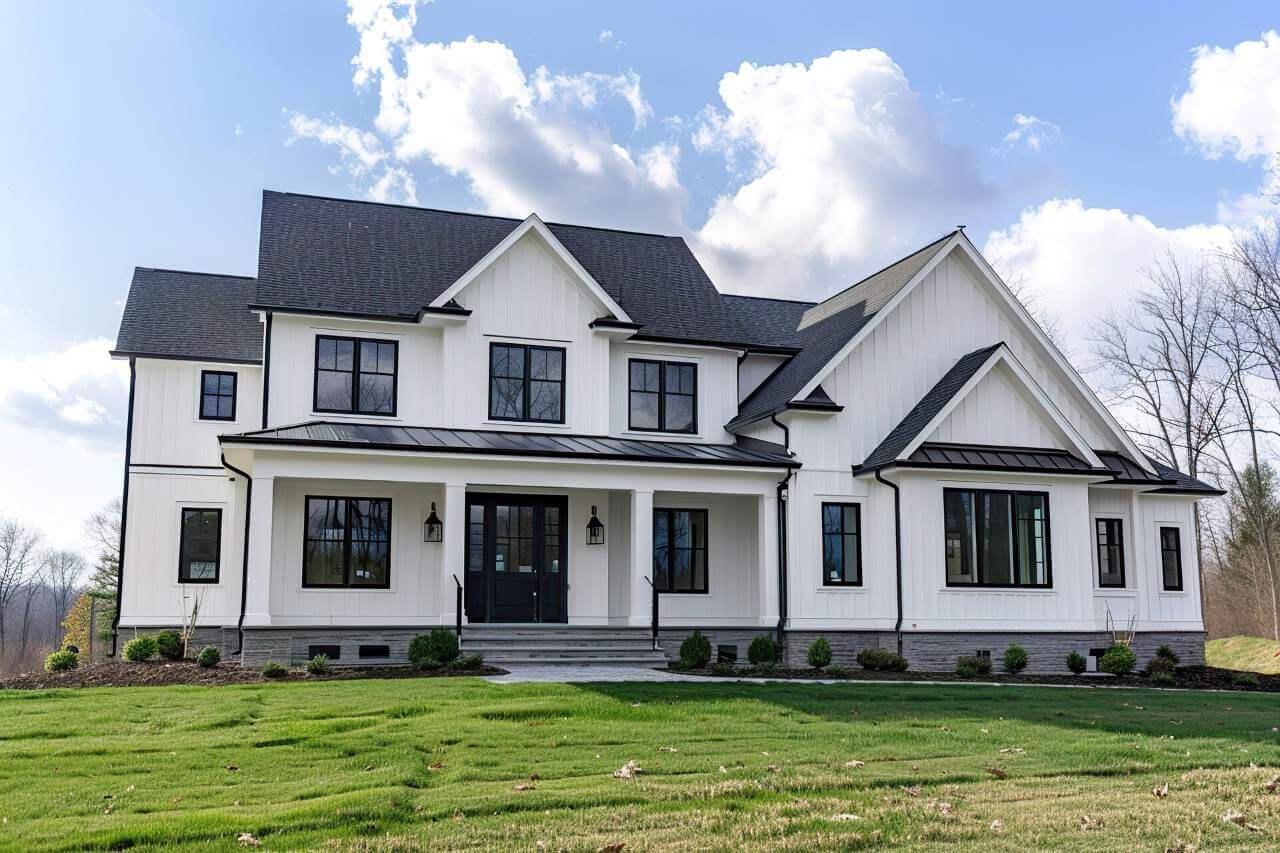
5 Porch Cladding Ideas to Upgrade Your Home
Looking for porch cladding ideas to give your front porch a makeover? If so, you’ve come to the right place!
Products in Stock
Lowest Prices
Express Delivery
10-Year Warranty
October Sale. Up To 15% Off.
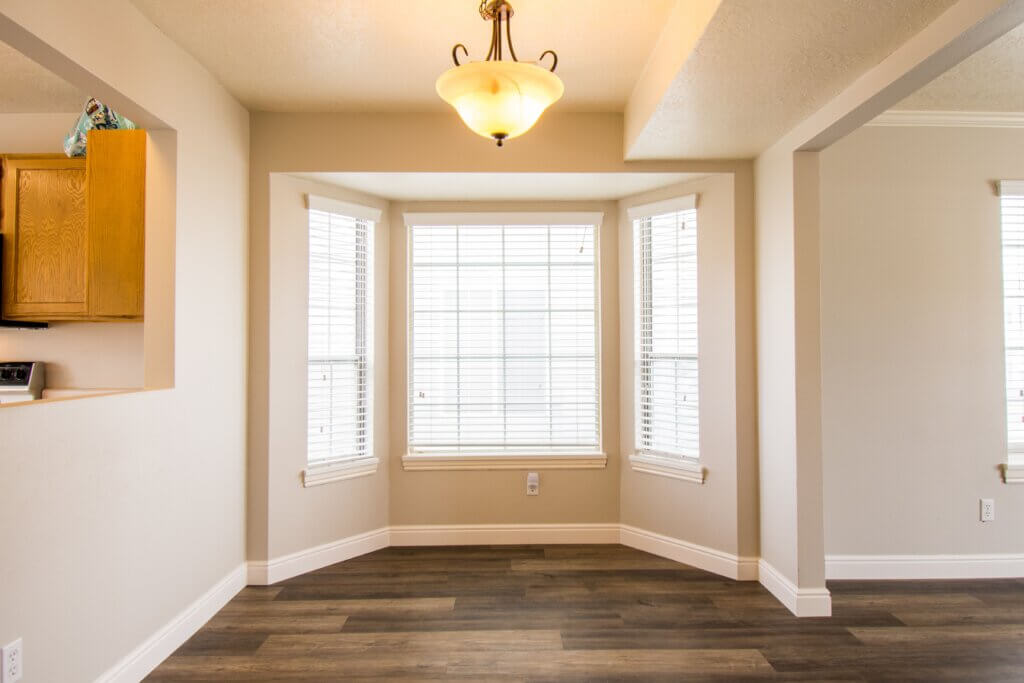
So, you’re a homeowner looking for a comparatively low-effort way to improve the look of your house. Our bay window cladding ideas might just inspire you to upgrade your property without making a massive commitment.
Many people are now replacing their slightly outdated 1950s window bay cladding with modern alternatives. It can not only improve the visual appeal of your home, but also protect it. Whether you are dreaming of timber, slatted or composite cladding, our guide will walk you through the pros and cons of the most popular options!
Bay window cladding will not only improve how your home looks, but will also make it more efficient! Most materials will protect the exterior from the impact of the weather by keeping damp and UV light away from your walls. Cladding can also reduce the risk of pests if installed properly and have a positive effect on the insulation.
Nevertheless, many people opt to clad their bay windows specifically due to its visual appeal – it’s like giving your home a mini makeover without investing the time and money for bigger changes.
If you want a sleek, modern look for your house, darker shades might work for your bay window cladding. You could install some slatted black cladding, or, if that is a little darker than you like, opt for anthracite. Dark composite cladding won’t just look good, but will also improve insulation and provide a durable, low-maintenance upgrade to your house. It is also available in a range of materials.
Are you a fan of a classic, timeless look? If so, timber might be the material of your choice – it comes in a range of shades and provides an instant cosy yet elegant aesthetic. Pick a wood that is durable and matches the colour theme of your house. You can opt for a lighter oak shade all the way to a darker flush walnut cladding.
If you want to go for wooden cladding for your bay window, be aware that it requires regular maintenance to prevent damage from moisture and pests. Regular inspections, repairs and recoating will be crucial to keep wooden cladding in good condition. Other materials that mimic the wood grain aesthetic might be preferable.
Flush cladding is known for its clean and sleek look consisting of horizontal or vertical lines that can even make your house appear wider or taller. It can also add a timeless and smooth aesthetic to your house. Additionally, if done right, flush cladding can improve the weather resistance and reduce the risk of damp damage.
It is known for its low-maintenance properties and is available in a range of shades – if you want to add some modern grey to your exterior, you can go as dark as anthracite or as light as pearl flush cladding.
Slatted cladding is another popular option for bay window cladding. The line pattern adds texture to the material and can be used horizontally, vertically or even diagonally, which can create a somewhat playful aesthetic. Installing slatted cladding will create an additional barrier to protect your property from weather and moisture damage.
Slatted cladding comes in different materials. Some people might like the warm and classic look of timber, while others may prefer composite cladding, which doesn’t require the same level of maintenance.
Fibre cement cladding creates a very clean and crisp visual result. Its appeal is its longevity and versatility – it can be installed horizontally or vertically for different effects and comes in a range of styles. It mimics traditional timber styles while being resistant to moisture, splitting and pests.
Additionally, fibre cement is fire resistant and lower maintenance compared to traditional timber. However, it isn’t quite as easy to maintain as composite fencing and its installation can be more challenging.
PVC window bay cladding makes for a very smooth and clean look. It is available in a wide variety of styles, from timber imitations to more colourful options. Like other materials, it can improve the insulation and weather resistance of your property.
While being easy to maintain, it is worth keeping in mind that PVC cladding is entirely made from plastic. If you are looking for a more environmentally friendly option, you might want to consider composite cladding as an alternative. It is also known for its more natural look and performs slightly better when it comes to colour fading.
Composite cladding is a popular and low-maintenance alternative to other cladding materials. It is often used to imitate timber but also comes in other colours. There is no splitting or warping with composite cladding. It is an incredibly durable material made from recycled plastic and wood fibres, which makes it more sustainable than other modern cladding options.
While the initial cost of composite cladding might seem high, it pays off over time due to the outstanding longevity of the material – it will last for decades with very little upkeep requirements!
There are several steps to installing your bay window cladding options:
Remember to wear safety equipment as needed and don’t shy away from hiring a professional for installation if you feel unable to do it yourself!
Take a look at our product offers to create a unique and lasting style for your low-maintenance bay window cladding. There is a range of materials and styles to choose from to fit your personal needs and preferences.
For optimal results, you should explore our composite cladding options. It beats other materials in terms of durability and the upkeep is minimal, which will minimise your costs over time. Additionally, it comes in various shades, combining functionality with practically, unlike any other materials.
The best material for your bay window cladding depends very much on what is suitable for your house as well as your personal tastes. However, composite cladding is the best choice if you are looking for cost-efficiency, sustainability and longevity. It also comes in different styles, which makes it versatile.
That said, you should always research all your options to pick the best material for your circumstances and the result you are aiming for.
The exact cost of your bay window cladding will vary depending on various factors. Two elements that will impact the cost are the material used and the size of your bay window. As a rule of thumb, the rough estimate will be somewhere between £600 and £1,500 for the full installation of your bay window cladding.
Be aware though that durability will vary between materials and that the initial cost alone should not be the deciding factor. Think about how much time and effort you are willing to put into the upkeep and how long you want the cladding to last.
There are few limits as to what you can do when you want to update the look of your bay window. Take into account the overall style of your house as well as your personal taste. There’s no point in going for the trendiest look if it clashes with the rest of the design or you won’t like looking at it!
Darker shades can create an aesthetically pleasing contrast with light accents. If you are aiming for a mellow house shade, we recommend a dark brown. If you are going for an elegant, traditional style, why not opt for a classic oak or walnut that works for most colour themes. You can be as creative or as conservative as you want to with your choice.
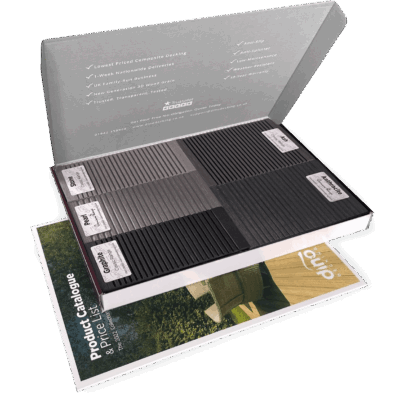
Our sample pack contains a sample piece of each colour currently available. Order your free sample pack today to compare the colours and get a true feeling of the Dino Decking range!
Looking for porch cladding ideas to give your front porch a makeover? If so, you’ve come to the right place!
So, you’ve discovered that there is a bees nest under your decking and you’re wondering what steps to take to